


Thinning hair does not usually happen overnight. It creeps in gradually. A little more scalp near the temples. Slightly weaker density at the crown. At first, it feels easy to ignore. Then one day you notice your hairstyle does not sit the same way anymore.
Most men react in one of two ways. They either panic and buy everything they see online, or they delay action completely. Neither approach is smart. A better path starts with understanding what is happening and choosing a structured solution like Sons.
Step One: Understand the Root Cause
Before choosing any treatment, you need clarity. The most common reason for male hair thinning is androgenetic alopecia. It is linked to genetics and the hormone DHT, which gradually shrinks hair follicles over time.
Learning about male pattern hair loss causes makes it clear that this is a biological process, not just a cosmetic issue. The earlier you intervene, the more follicles you can potentially preserve.
This is why awareness matters more than reacting emotionally.
Step Two: Focus on Proven Ingredients
The internet is full of oils, herbal solutions, and miracle serums. Most of them lack strong clinical backing. A smarter strategy focuses on treatments supported by research.
Two of the most discussed options are finasteride for hair loss and minoxidil. Finasteride works by reducing DHT levels, while minoxidil supports blood flow to the scalp and encourages growth cycles.
When used correctly and consistently, these treatments have shown measurable results in many men.
Step Three: Personalization Over Guesswork
Not all thinning hair looks the same. Some men experience recession at the hairline. Others notice thinning at the crown first. The stage and pattern influence which treatment combination makes sense.
That is where structured guidance from Sons stands out. Instead of offering a one size fits all product, the platform provides personalized treatment plans based on individual hair loss progression.
Personalization reduces wasted time and increases the chance of consistent use.
Step Four: Commit to the Process
One of the biggest mistakes men make is expecting visible regrowth in a few weeks. Hair growth follows natural cycles, and treatments often take several months before meaningful changes appear.
Understanding the timeline of clinically tested hair regrowth treatments helps set realistic expectations. Early improvements may include reduced shedding or slightly thicker strands before noticeable density returns.
Consistency is not exciting, but it is powerful.

Step Five: Support the Scalp Environment
While prescription treatments address hormonal factors, scalp health still matters. Gentle cleansing, avoiding excessive heat styling, and maintaining a balanced diet contribute to overall hair condition.
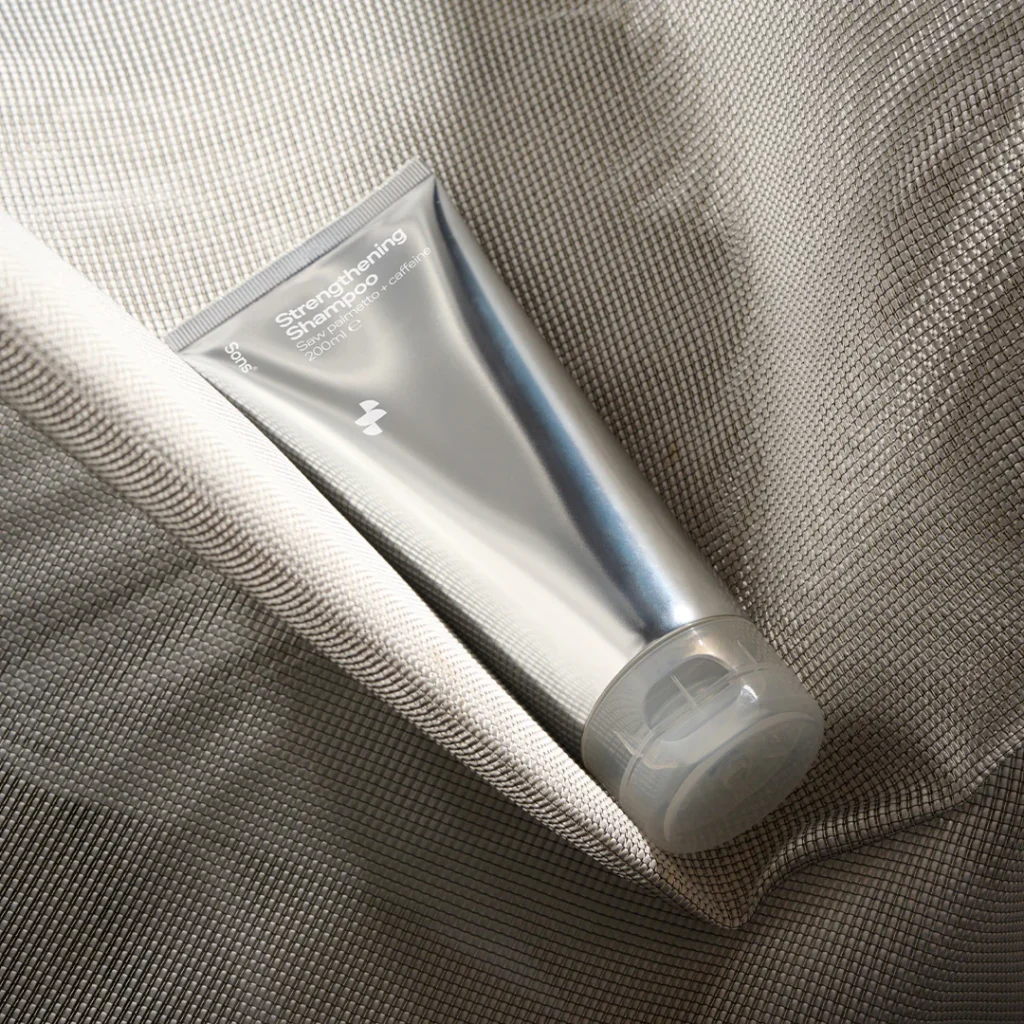
Exploring options such as a targeted hair loss treatment plan can combine medication with supportive products like strengthening shampoos. These additions do not replace medical treatments, but they complement them.
Healthy follicles perform better in a healthy environment.
Step Six: Shift Your Mindset
Handling thinning hair smartly is not just about products. It is about mindset. Instead of reacting out of fear, approach it strategically. Learn the science. Evaluate options carefully. Stay patient.
Many men delay treatment because they feel uncertain or embarrassed. In reality, addressing hair loss early is proactive, not vain.
Once you understand the mechanism behind DHT and follicle miniaturization, the path forward becomes clearer. You stop chasing random solutions and start following a structured plan.

Why Smart Beats Fast
Quick fixes rarely deliver lasting results. Hair thinning is gradual, and managing it requires a long term approach. The combination of knowledge, proven ingredients, and consistent application creates the strongest foundation.
If you have noticed gradual changes in your hairline or crown, the smarter approach is not to ignore it or experiment blindly. It is to educate yourself and choose a structured system that aligns with medical research.
Thinning hair does not have to define your confidence. With the right strategy, you can take control instead of feeling reactive.
