


Buying a rug sounds simple until you actually try to do it. You open a few tabs, scroll through dozens of designs, and suddenly you are questioning everything. Should it be neutral or bold. Large or compact. Soft and plush or flat and practical.
I used to underestimate how complex this decision could be. That changed when I approached the process differently and started exploring options at Teppich. Instead of randomly picking what looked good in photos, I learned how to narrow choices in a way that made sense.
The Overwhelm Is Real
One of the biggest challenges when buying a rug online is the sheer number of styles available. From classic oriental patterns to minimalist textures, everything can look appealing in isolation.
When browsing through categories like traditional oriental rugs, it becomes clear that each design carries a distinct character. Some bring warmth and tradition, while others create a modern statement.
Without a clear plan, it is easy to fall into the trap of choosing something beautiful that simply does not suit your space.
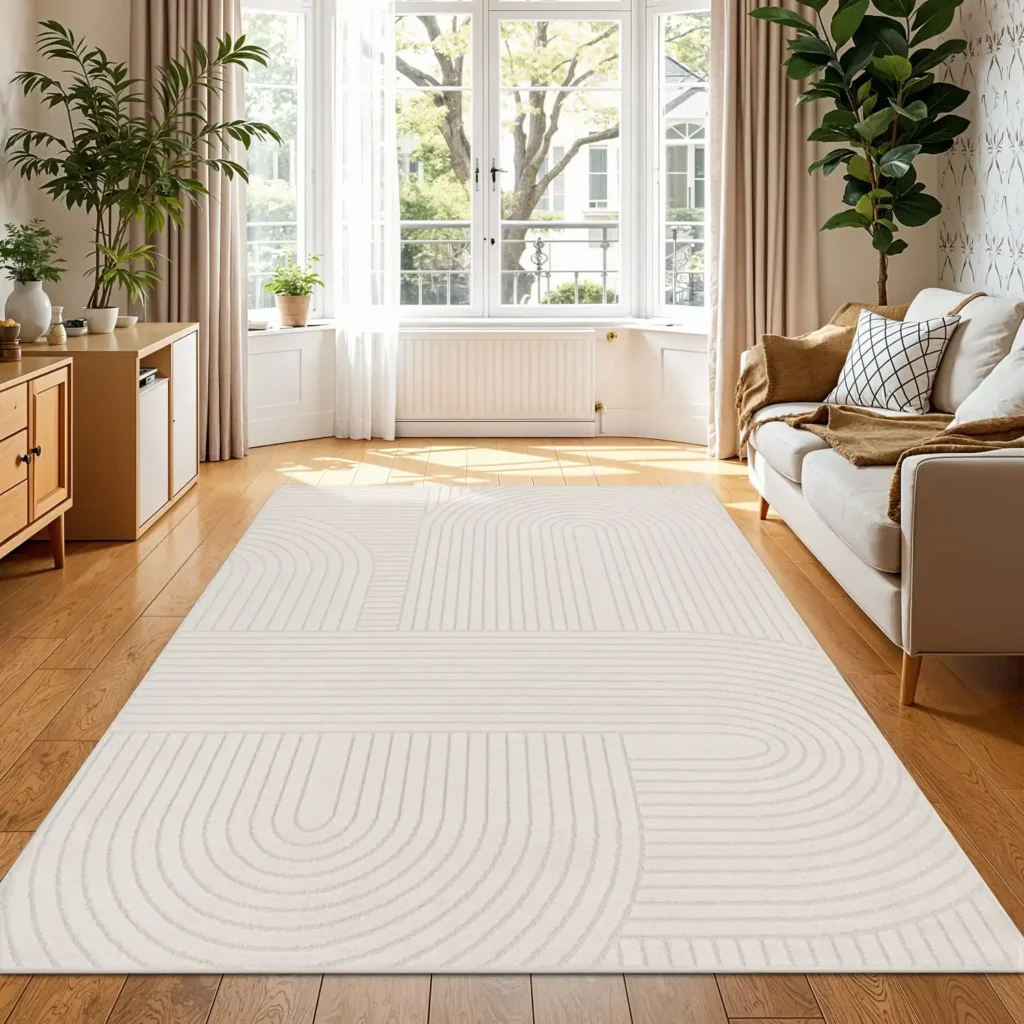
Start With the Room’s Purpose
The function of the room should guide your choice. A rug in the living room serves a different purpose than one in the hallway or bedroom.
For example, a bedroom rug for soft comfort prioritizes coziness underfoot. In contrast, a hallway rug must handle constant foot traffic and frequent cleaning.
Understanding how the space is used makes the selection process more practical and less emotional.
Shape Changes the Flow
Many people focus on color and pattern but forget about shape. Rectangular rugs are common, yet round or runner styles can shift the visual flow of a room.
Exploring options like a hallway runner rug highlights how shape defines pathways and transitions. A runner elongates narrow areas, while a round rug softens sharp corners in square rooms.
The right shape can correct awkward layouts without moving a single piece of furniture.
Balancing Comfort and Maintenance
Another decision factor is maintenance. Some materials feel luxurious but require more care. Others are practical and durable for everyday life.
If you live in a busy household, looking into a synthetic fiber rug for easy cleaning may be a smarter choice. These materials often resist stains and wear, which is especially important in family homes or apartments with pets.
Comfort still matters, but it should align with your lifestyle.
Matching Without Overmatching
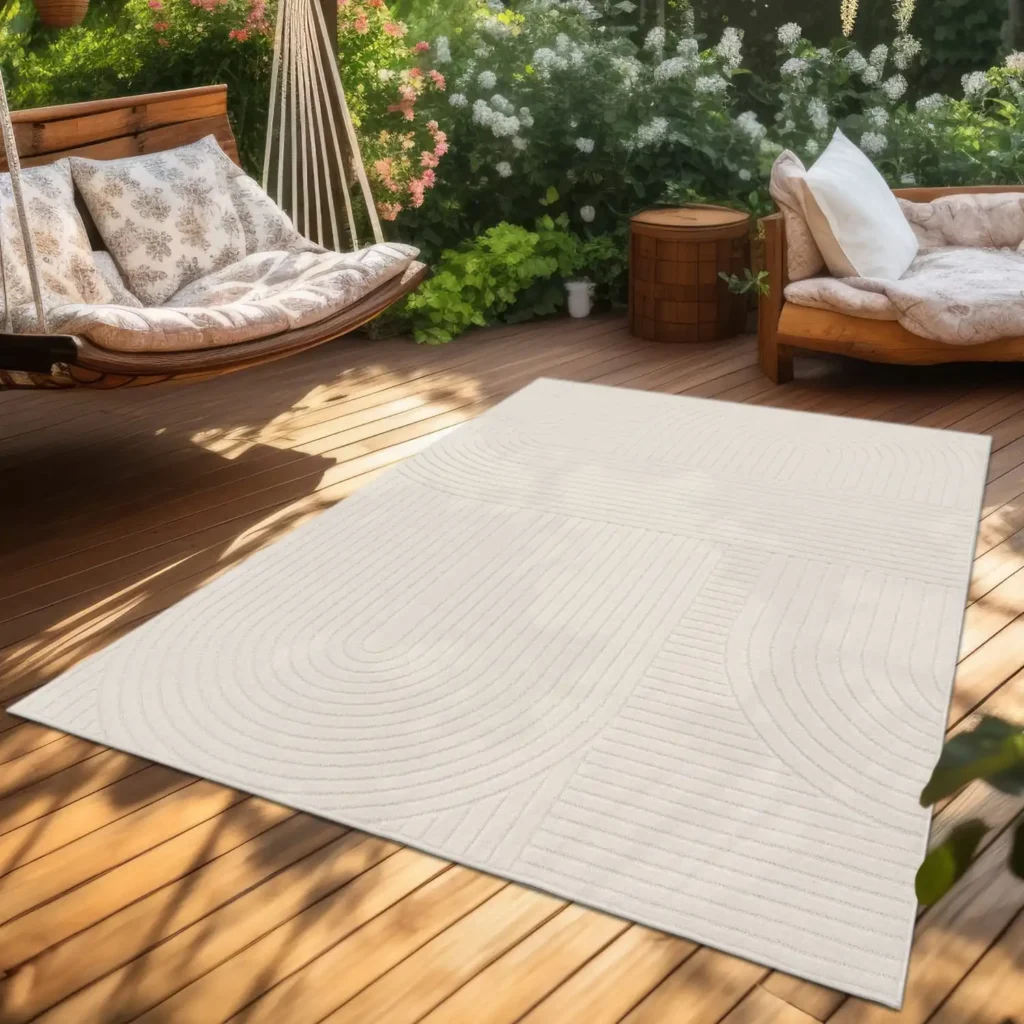
One mistake many homeowners make is trying to match the rug perfectly to their furniture. When everything is identical in tone, the room can feel flat.
Instead of matching exactly, it helps to complement existing elements. A rug can introduce subtle contrast that highlights your sofa or dining table rather than blending into it.
Browsing different combinations at Teppich allowed me to compare textures and tones side by side. Seeing options grouped clearly made it easier to imagine how each piece would fit into my home.
The Role of Scale and Placement
Even the best design can fail if the proportions are wrong. A rug that is too small disconnects furniture. One that is too large may overwhelm the space.
Thinking in terms of placement is essential. In a dining area, the rug should extend beyond the table to accommodate chairs. In a living room, it should anchor the seating arrangement.
These details may seem minor, but they determine whether the room feels cohesive or scattered.
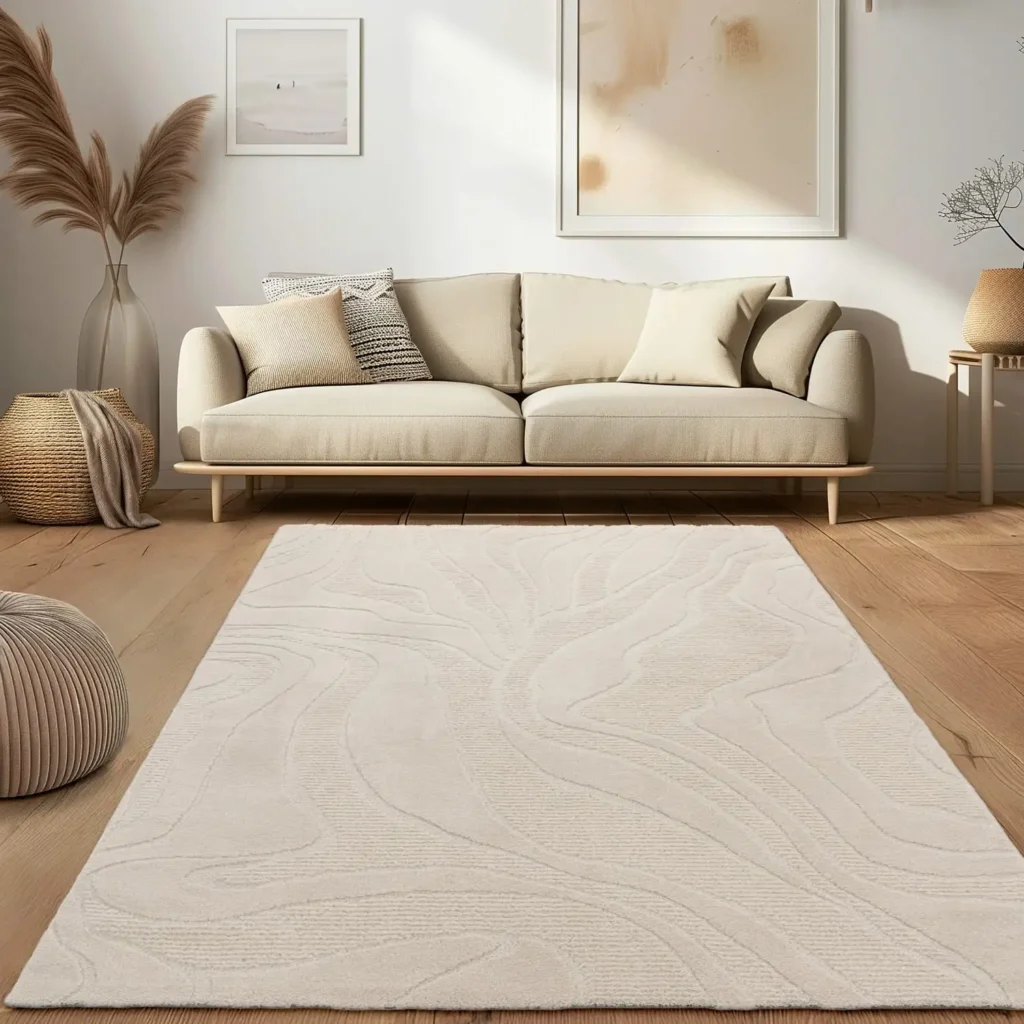
Making the Decision With Confidence
Choosing a rug becomes easier when you approach it step by step. Start with function. Consider size and shape. Think about material and maintenance. Then evaluate color and pattern.
What once felt overwhelming becomes manageable when the options are organized clearly and filtered by real needs instead of impulse.
A rug is more than decoration. It influences comfort, acoustics, and the visual harmony of a space. When chosen thoughtfully, it ties the entire room together.
If selecting a rug has ever felt harder than expected, the solution is not to rush the process. It is to approach it with structure and clarity. With the right perspective, what once felt complicated becomes surprisingly straightforward.
