

I used to think buying a rug was simple. Pick a pattern you like, choose a color that matches the sofa, and that is it. Every time I redecorated, I repeated the same process. And every time, something felt slightly off.
The problem was not my furniture. It was not the wall color either. It was the way I approached rugs. That changed when I started properly exploring options at Teppich and realized I had been focusing on the wrong things all along.
I Was Buying for Looks, Not for the Room
My biggest mistake was choosing rugs based purely on appearance. If a design looked trendy online, I assumed it would work in my space. In reality, a rug has to do more than look good in isolation.
When browsing categories like modern area rugs, I started paying attention to dimensions, pile height, and material descriptions instead of just photos. That shift in focus completely changed how I evaluated options.
A rug is part of the room’s structure. It influences balance, proportion, and flow.
Size Was My Silent Enemy
For years, I kept buying rugs that were too small. I thought a smaller rug would make the room look bigger. Instead, it made everything feel disconnected.
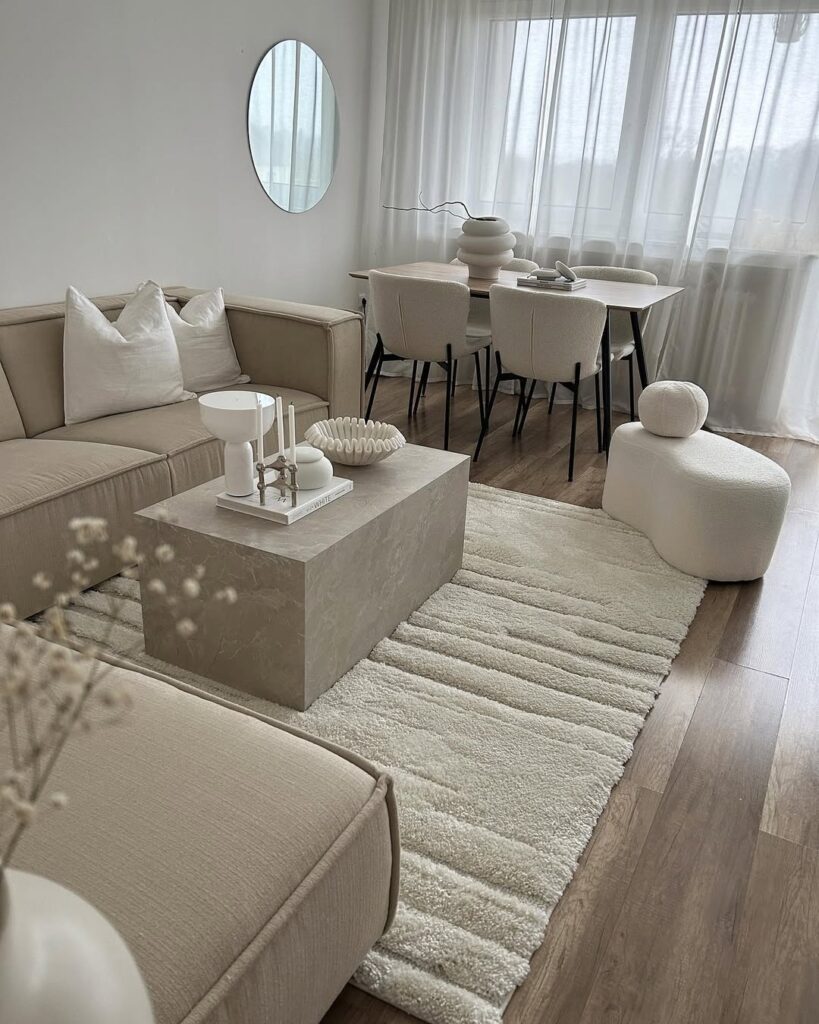
Learning about proper living room rug sizing made me rethink my approach. Ideally, at least the front legs of your sofa and chairs should sit on the rug. That creates a defined seating zone instead of a floating layout.
Once I applied this principle, the space instantly felt more intentional and complete.
Ignoring Material Was Costly
Another oversight was material. I used to assume all rugs performed similarly. That assumption led to faster wear and more maintenance issues.
When comparing options such as a wool rug for high traffic areas, I realized how much fiber choice affects durability and comfort. Wool, for example, is naturally resilient and easier to maintain than some synthetic alternatives.
For busy households, practical considerations matter just as much as style.

Pattern Can Control Visual Noise
I also underestimated how much pattern influences mood. In a room that already has bold art and colorful cushions, adding a highly detailed rug can create visual overload.
Exploring minimalist options like Scandinavian style rugs showed me how a subtle design can calm a space instead of competing with it. Clean lines and soft tones often provide the balance a room needs.
On the other hand, in a neutral room, a patterned rug can become the focal point. The key is understanding what the room lacks.
Function First, Decoration Second
At some point I realized I had been treating rugs as decorative afterthoughts. They should actually be part of the functional plan.
Do you need extra insulation on cold floors. Do you want to reduce echo in a large open space. Are you covering high traffic pathways. These questions are practical, yet they influence the final result significantly.
Browsing collections at Teppich helped me think in terms of purpose. Filtering by room type, size, and material made the process less random and more strategic.
The Shift That Made the Difference
Once I stopped chasing trends and started thinking about structure, material, and proportion, everything changed. My latest rug purchase was not the boldest design I had ever seen. It was simply the most suitable for my layout and lifestyle.
The room now feels balanced. Furniture aligns naturally. The floor feels warmer and more cohesive.
It turns out the mistake was never about taste. It was about perspective. Choosing a rug is less about impulse and more about understanding how it supports the entire room.
If your space feels slightly unfinished or unbalanced, it may not need new furniture. It might just need a more thoughtful foundation.
