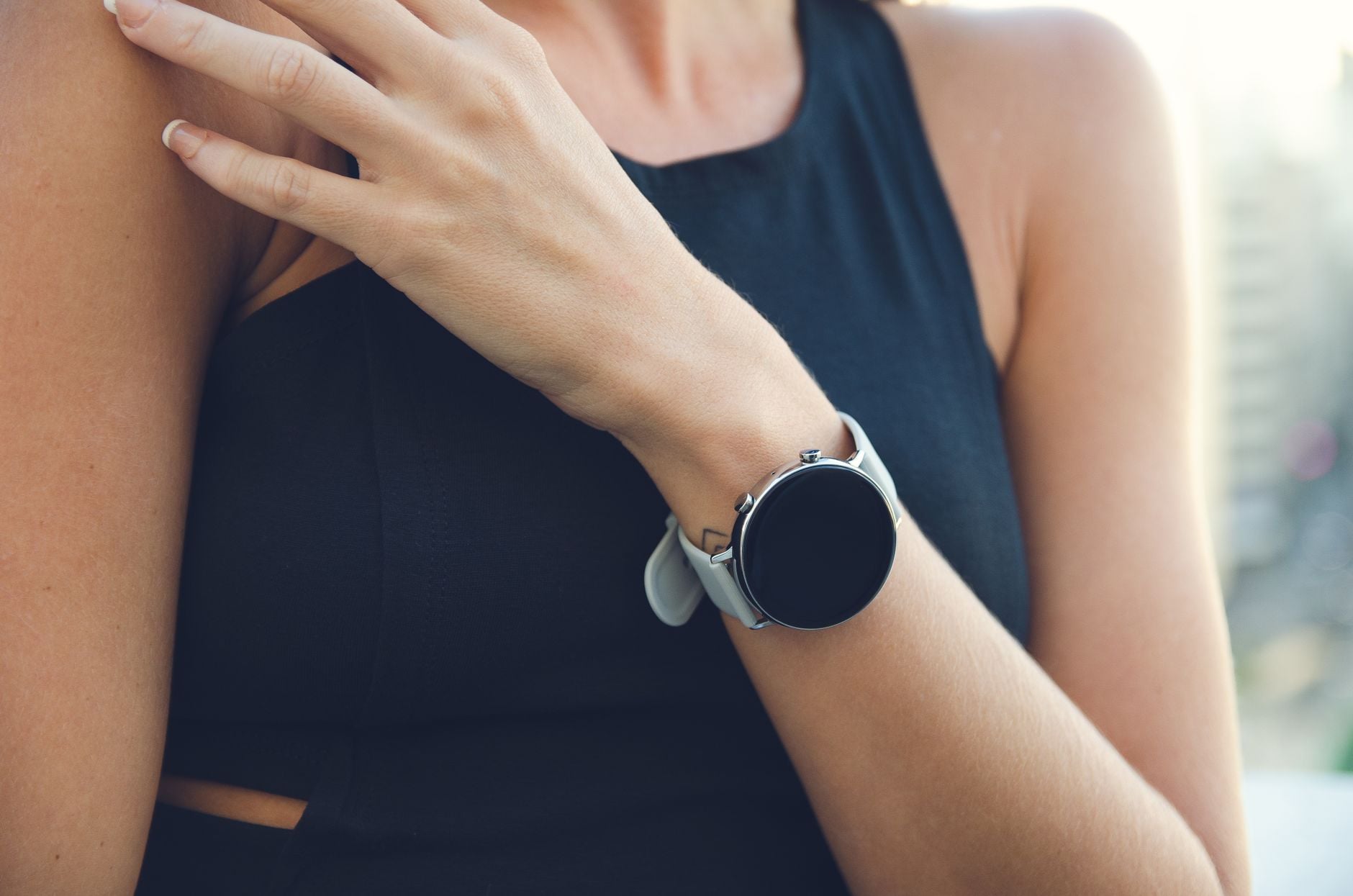
Smart wearable fashion sits at a crossroads of garment design and electronics, and shoppers who already own a fitness band or a smart ring often start asking whether clothing itself can carry the same kind of connected function. Desigual is widely known for bold prints, mixed color blocking, and an unmistakable visual identity, which is why it comes up in conversations about expressive apparel meeting digital features. This article looks at that broader intersection, using the fashion category as the frame rather than asserting specific technical claims about any single product line. The aim is to describe how the category generally works, while being clear about where verified brand-specific detail is simply not available.
Smart Textiles and Embedded Technology in Desigual Collections
Smart textiles typically combine conductive thread, compact sensors, or slim electronic modules with ordinary fabric. Manufacturers across the category decide early on whether that technology stays hidden in a seam or becomes a visible part of the garment. Desigual is recognized for layered pattern and saturated color as its core visual approach, and that kind of busy surface design raises a genuine question about how any embedded technology would be noticed, or not noticed, against it. Without published specification sheets tying a particular Desigual item to a particular textile technology, this remains a category-level observation rather than a confirmed feature of the brand’s current range.
Connectivity Features Across Desigual’s Product Range
Connectivity in apparel generally means a short-range wireless link between a garment or accessory and a paired phone. Across the broader smart wearable fashion category, that link commonly supports notifications, step or activity counts, or a simple status light rather than full computing tasks. Clothing brands that add connected features usually treat them as an extra layer sitting next to an existing line, not a wholesale replacement for it. That pattern is common across the apparel industry, though it does not by itself confirm which, if any, connected items currently sit inside Desigual‘s catalog.
Material Innovation and Technical Durability

Material choices matter more once a garment carries an electronic component. Across the wearable technology industry, suppliers have developed washable conductive yarns, flexible battery housings, and water-resistant coatings so technical parts can survive normal wear and laundering. Durability testing in this category usually involves repeated wash cycles and flex testing at stress points like seams and cuffs. These engineering questions apply to any printed or colorful textile just as much as to a plain one, since the underlying problem is keeping a circuit intact through daily use.
Design Philosophy Behind Tech-Enabled Garments
Brands building connected apparel face a recurring decision about whether to show the technology or conceal it. Some treat a sensor or module as a visible accent, close to jewelry, while others tuck everything beneath a lining so the piece reads as ordinary clothing. Within fashion more broadly, houses with a strong print or color identity tend to protect that signature first, fitting any added technology around it rather than letting a module take over the silhouette. That tendency is a pattern observed across the industry rather than a documented statement from Desigual about its own design process.
Desigual Wearables and Cross-Device Ecosystem Compatibility
Cross-device compatibility is one of the more practical concerns people raise before buying into any smart wearable fashion item. Mobile operating systems, companion apps, and wireless standards all need to line up for a connected piece to function as expected, and mismatches are a frequent complaint in product reviews. Apparel-first companies generally find it more workable to support widely used mobile platforms than to build a closed, proprietary system on their own. That preference for broad compatibility shows up repeatedly across clothing brands experimenting with connected accessories, independent of any single label’s specific roadmap.
Real-World Performance of Connected Desigual Apparel
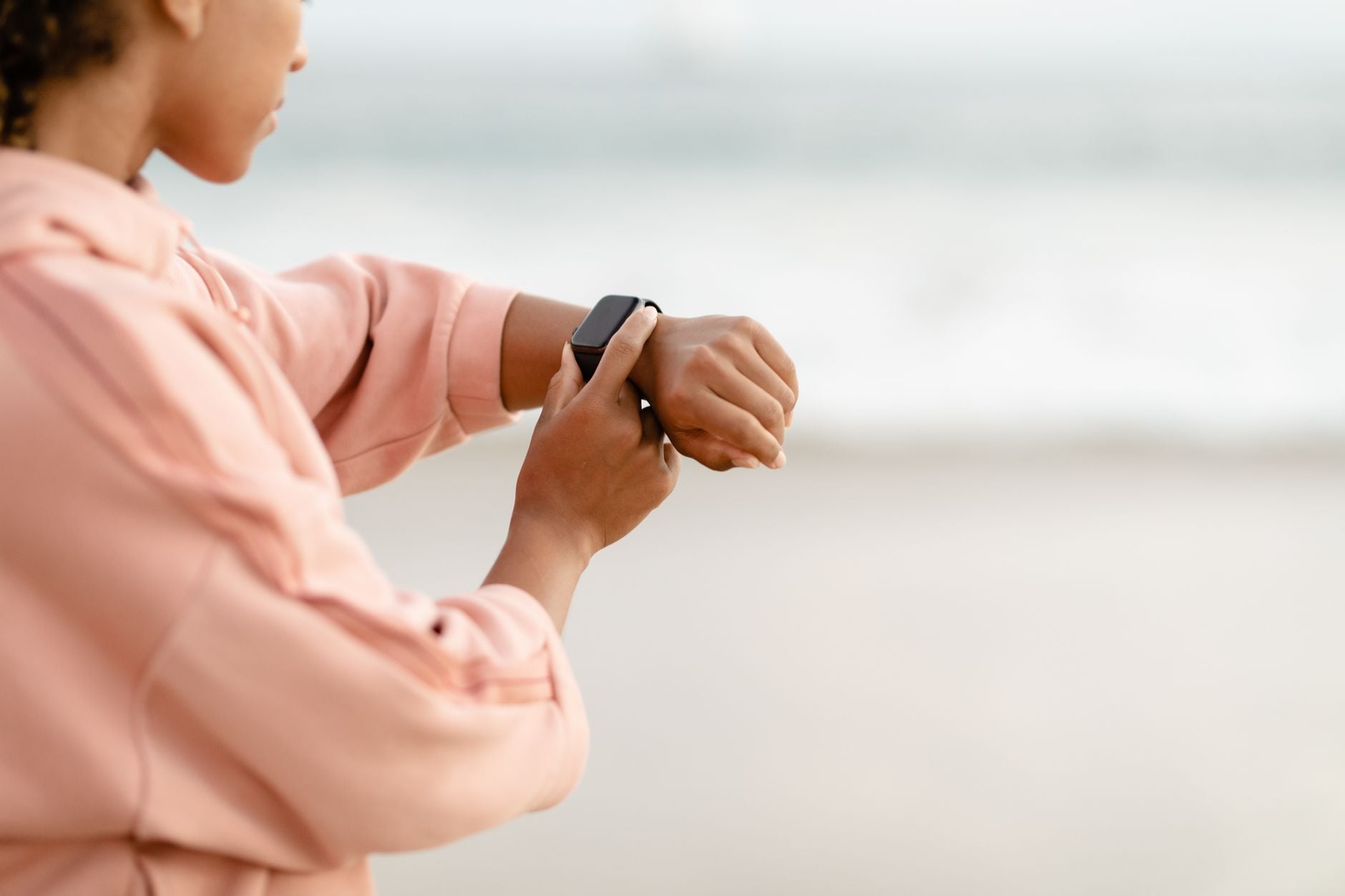
Real-world performance of connected clothing comes down to ordinary factors such as battery life, washing frequency, and how steadily a wireless signal holds up during daily movement. Reviewers across the fashion space often note that performance shifts with climate, activity level, and how often a piece gets cleaned. For printed or color-heavy garments, an additional question is whether repeated washing affects the fabric at the same rate as any attached electronics. No published, product-specific data currently ties those variables to a named Desigual item, so this section stays at the level of general industry observation.
- Short-range wireless protocols such as Bluetooth Low Energy are the common standard for pairing a connected garment with a mobile device.
- Companion apps typically manage notifications, settings, or basic status readouts from a connected accessory.
- Washable conductive fiber is a recurring technical specification named across smart wearable fashion product listings.
- Flexible, low-profile battery modules are used so a garment keeps its natural drape and range of motion.
- Support for widely used mobile operating systems remains a baseline expectation among shoppers considering connected apparel.
Smart wearable fashion will likely keep pushing clothing and electronics closer together, and any brand built on strong visual identity will have to decide how much of that technology stays on display.