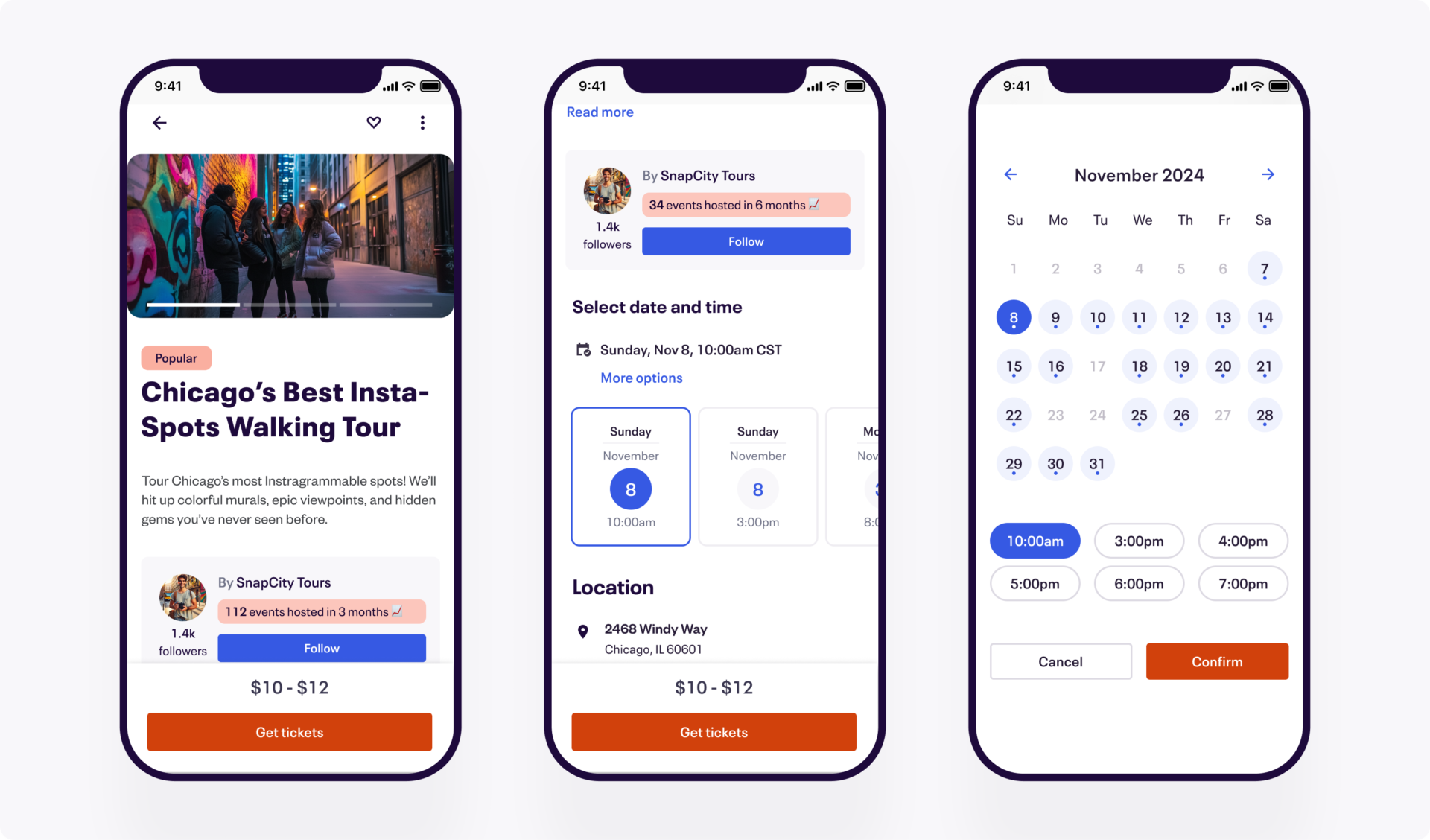
Event ticketing platforms sit between the organizers who build experiences and the attendees searching for something to do. These marketplaces handle everything from listing an event to processing a payment at the door. Eventbrite is one of the better-known names in this category, and its feature set offers a useful lens for understanding how event ticketing platforms generally work.
Connecting Organizers and Attendees in One Marketplace
At the core, platforms link two groups: people organizing events and people who want to attend them. Eventbrite describes itself as a global self-service ticketing platform where anyone can create, share, discover, and attend new events. That includes music festivals, marathons, conferences, fundraisers, and gaming contests, among other formats.
Because the platform operates as a marketplace, organizers are not simply renting software. They gain access to a pool of people already browsing nearby events. On top of that, attendees get a single place to search across categories such as music, nightlife, performing arts, food and drink, and hobbies, rather than hunting through dozens of separate organizer websites.
Customizable Event Pages and Seamless Checkout in Eventbrite

Every event listed on Eventbrite gets its own page, and organizers can customize it to represent the event clearly. A professional-looking page matters because it is often the first impression a potential attendee gets. Eventbrite pairs this with a checkout experience built to feel fast and simple for the person buying a ticket.
Flexible ticket types are part of this setup, covering both in-person and online events. On the payment side, the built-in processing system supports popular methods including Apple Pay and Google Pay, available on the event page and at the door through the Organizer App. Scheduled payouts let organizers decide when funds arrive, choosing instant payouts or a custom schedule after an event ends.
Marketing Tools: Email and Social Features Built Into Eventbrite

Selling tickets rarely stops at listing an event and waiting for buyers. Eventbrite folds email campaigns, social media promotion, and performance analytics into a single suite, so organizers are not juggling separate tools. Email marketing features include professionally designed templates along with tracking for open rates, clicks, and conversions.
Social promotion extends to Facebook and Instagram, where organizers can promote directly from within the platform using targeting meant to reach likely ticket buyers. There is also an advertising option that places an event listing across search results, category pages, the homepage, and the app. According to the brand’s own figures, events using these advertising tools sell 4x more tickets on average than those that do not, and promoted events can see up to 9x more impressions compared to non-promoted listings.
Reporting and Analytics: Understanding Attendee Data on Eventbrite

Once an event goes live, organizers need to know whether promotion is working. Eventbrite provides real-time analytics and sales data gathered into one dashboard, so organizers can see which channels drive ticket sales. That visibility extends to financial detail as well, including fees, charges, credits, and past payout information.
This kind of reporting has become a defining feature of event ticketing platforms generally, not just a side perk. Instead of guessing which marketing effort paid off, organizers get a clearer picture of how their promotional spend performed. For anyone running several events, that data can shape how future campaigns get built.
The Organizer App: Mobile Management and Real-Time Check-In
Running an event does not stop once tickets go on sale, and the Organizer App is built for day-of logistics. It lets organizers check guests in, sell tickets at the door, and track data in real time, all from a mobile device. The app also supports Tap to Pay, meaning on-site sales for registrations or merchandise can be processed without extra hardware.
This mobile layer matters because much of event management happens away from a desk, at a venue entrance or a festival gate. Having check-in, point-of-sale, and reporting in one app reduces the number of separate systems an organizing team has to manage on-site.
Discovery and Recommendations: How Attendees Find Events on Eventbrite

On the attendee side, discovery matters just as much as ticketing. Eventbrite‘s marketplace draws millions of people searching for things to do, browsing by category, city, or state. Personalized recommendations are tailored to an attendee’s interests and location, matching people with events they are more likely to attend.
This discovery layer is part of what separates full event ticketing platforms from a basic checkout tool bolted onto a website. An organizer benefits from exposure to people who were not already looking for that specific event, simply because the marketplace surfaces related options. That additional visibility is one reason such platforms continue to attract new organizers.
- Organizers can create a customizable event page without needing design or coding skills.
- Flexible ticket types support both in-person and online event formats.
- Built-in payment processing accepts popular methods such as Apple Pay and Google Pay.
- Automated email and social marketing tools help organizers reach and grow an audience.
- Paid advertising options extend an event’s visibility across search results, the homepage, and related event listings.
- Real-time reporting tracks sales, fees, and payout details in one dashboard.
- The Organizer App enables mobile check-in and on-site ticket or merchandise sales.
Understanding how a platform like this operates gives a clearer sense of what event ticketing platforms provide as a category. It is not just a payment button but a combination of page building, marketing, analytics, mobile tools, and discovery working together.