

The world of electronic vaping has developed considerably, introducing new devices, e-liquid formulations, and accessories that have changed how adult consumers encounter nicotine products. With various vaping systems available, understanding their technology, ingredients, and potential risks has become increasingly important. Vape Jucce is a name associated with this market, where consumers may encounter products featuring different nicotine strengths, flavours, and device configurations. However, navigating the vaping industry involves more than comparing product designs or exploring available options. Product authenticity, ingredient transparency, battery safety, and regulatory compliance are essential considerations. Understanding these factors can help adults evaluate vaping products more carefully while recognizing the health concerns associated with nicotine consumption and aerosol inhalation. As the industry continues to evolve, informed decision-making remains an important part of responsible consumer awareness.
Understanding the Role of E-Liquids in Modern Vaping Devices
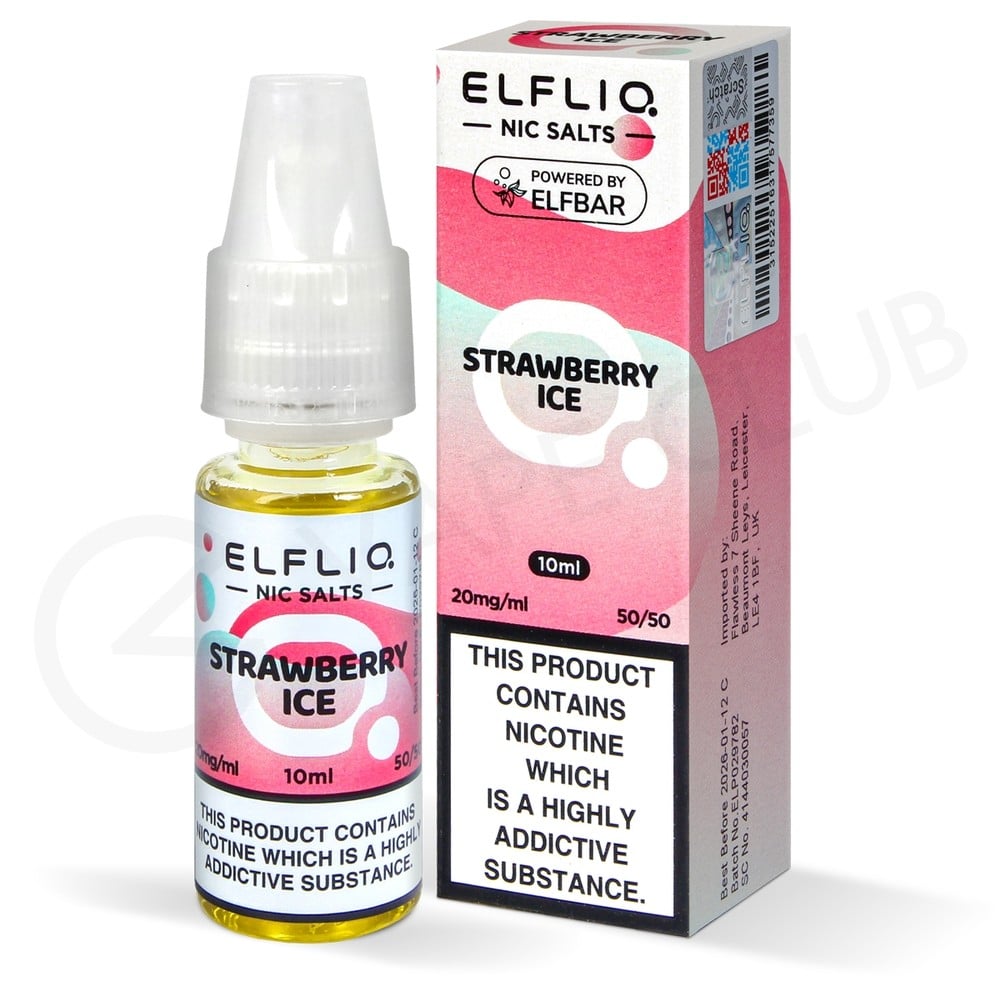
E-liquids are an essential component of many electronic vaping systems. They are generally formulated using a combination of propylene glycol, vegetable glycerin, flavouring ingredients, and, in some products, nicotine. When heated by an electronic device, these liquids produce an aerosol that users inhale. Although e-liquids may appear similar in packaging or consistency, their compositions can differ significantly depending on the manufacturer, formulation, and intended device compatibility.
For adults researching Vape Jucce or other vaping retailers, understanding e-liquid composition is particularly important. Propylene glycol and vegetable glycerin influence liquid characteristics, while nicotine concentration determines the quantity of nicotine present in a formulation. Flavouring ingredients also vary, and substances considered suitable for ingestion are not necessarily safe when inhaled. Consumers should consult product labels and manufacturer documentation rather than relying solely on packaging descriptions. Clear ingredient information is especially important because vaping is not harmless, and nicotine-containing products carry a significant risk of addiction.

Discovering Different Vaping Systems and Their Features
Electronic vaping devices are available in several configurations, each with different technical requirements and maintenance considerations. Some devices use disposable cartridges, while others incorporate refillable tanks and replaceable heating components. These variations influence operating procedures, battery requirements, and compatibility with different e-liquid formulations. Understanding these differences is useful for anyone examining the technical characteristics of vaping equipment.
Pod systems generally use compact cartridges, whereas refillable devices incorporate reservoirs that can be replenished with compatible liquids. Other systems may feature adjustable power settings or integrated batteries. Each design requires attention to manufacturer guidance, particularly when replacing components or charging rechargeable equipment. Using incompatible accessories can create mechanical problems, overheating, or other safety hazards. When exploring products associated with Vape Jucce, adults should prioritize verified specifications and safety documentation rather than assuming that devices with similar appearances function identically.
Important Product Categories and Safety Considerations
The vaping industry includes a wide range of devices, consumables, and replacement components. Although product availability differs between retailers, understanding the common categories can help consumers interpret technical descriptions and identify important safety information.
Common vaping-related product categories include:
- E-Liquids: Liquid formulations that may contain nicotine, propylene glycol, vegetable glycerin, and flavouring compounds.
- Nicotine Salt Formulations: E-liquids containing nicotine in a chemical form that may allow substantial nicotine exposure.
- Pod Systems: Electronic devices that use removable or replaceable liquid cartridges.
- Refillable Vape Devices: Equipment featuring reservoirs intended for use with manufacturer-compatible liquids.
- Replacement Coils: Heating elements that require correct installation and periodic replacement where applicable.
- Battery and Charging Accessories: Electrical components that must meet the specifications of compatible devices.
- Storage Accessories: Containers and protective cases intended to support appropriate product handling.
Each category comes with different handling and safety considerations. Nicotine-containing liquids require secure storage away from children and pets, while rechargeable devices need careful battery management. Product categories should never be interpreted as evidence that vaping is safe or appropriate for nonsmokers.
Why Authenticity and Product Transparency Deserve Attention
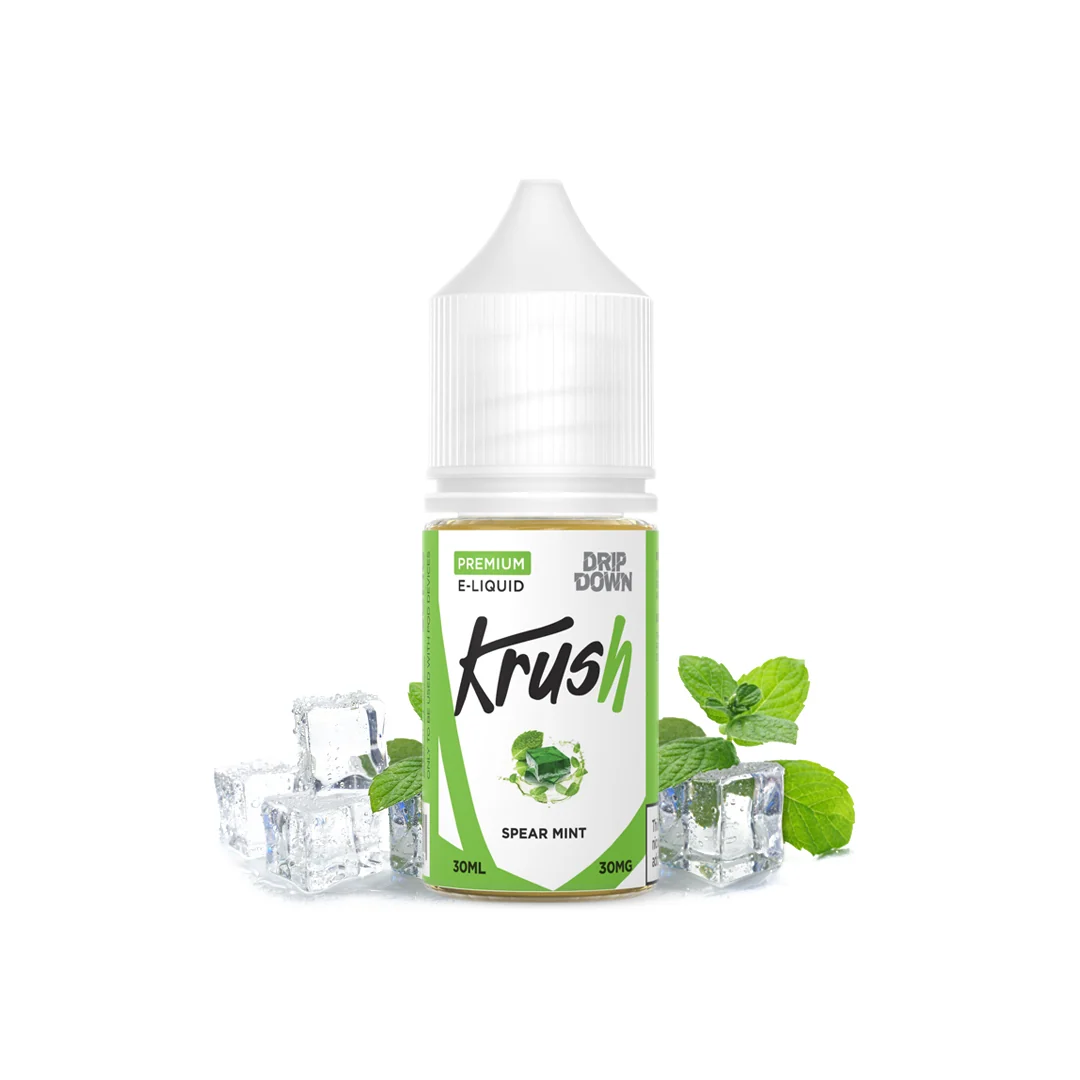
Product authenticity is an important issue in the electronic vaping market because counterfeit or incorrectly labelled products may introduce additional hazards. Unverified liquids can contain unexpected ingredients, while poorly manufactured electronic devices may present electrical or mechanical risks. Consumers should therefore pay attention to manufacturer identification, ingredient disclosures, batch information, safety warnings, and any available product verification procedures.
Transparent product information also helps adults understand nicotine concentrations and device compatibility. A product’s appearance, flavour description, or advertised features cannot establish its safety. Manufacturers and retailers have a responsibility to follow applicable regulations and communicate important information accurately. Anyone researching Vape Jucce should distinguish confirmed product specifications from unsupported claims, particularly when examining health-related statements. Responsible consumer awareness depends on reliable information rather than promotional language alone.
Responsible Battery Handling and Device Maintenance
Rechargeable batteries power many electronic vaping devices, making proper electrical handling essential. Lithium-ion batteries can present fire or overheating hazards when damaged, charged incorrectly, or exposed to unsuitable conditions. Device owners should follow manufacturer instructions, avoid incompatible charging equipment, and discontinue use when a battery or device shows signs of swelling, excessive heat, leaking, or physical damage.
Regular equipment inspection is another important consideration. Loose electrical connections, damaged cartridges, and worn components may interfere with normal operation. Devices should be stored away from excessive temperatures and protected from accidental damage. Nicotine liquids must also remain securely closed and out of reach of children and animals because accidental exposure can cause poisoning. Proper maintenance may address certain equipment-related risks, but it does not eliminate the health risks associated with vaping itself.
Environmental Awareness and the Importance of Proper Disposal
The increasing use of electronic vaping products has introduced additional environmental challenges. Devices may contain plastics, electronic components, metals, and lithium-ion batteries that require careful disposal. Single-use products can be particularly problematic because batteries and residual liquids may remain inside the discarded equipment. Improper disposal can contribute to electronic waste and create hazards during rubbish collection or recycling.
Adults using vaping equipment should consult local guidance about electronic waste collection and battery recycling. Products containing damaged batteries should be handled according to appropriate safety procedures rather than placed in ordinary household bins. Manufacturers and retailers can also contribute by providing clear disposal information and supporting responsible waste management practices. Greater environmental awareness helps consumers understand the broader consequences of electronic product consumption.
Beyond the Product Label: Making Informed Choices About Vape Jucce
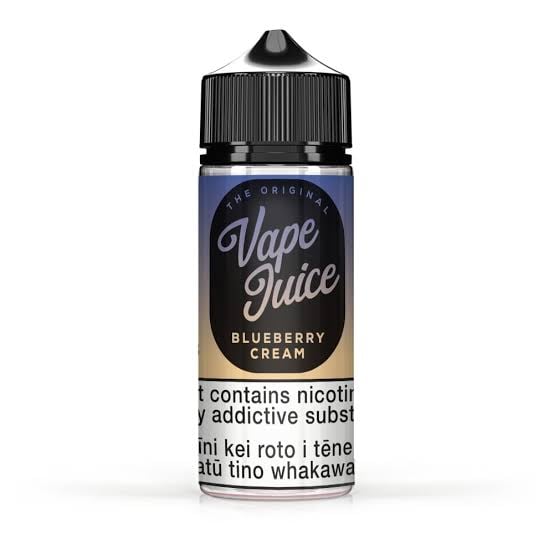
Understanding the vaping market requires careful attention to technology, ingredient disclosure, product authenticity, and health risks. Vape Jucce provides a starting point for exploring these broader issues, but consumers should rely on verified product information and applicable safety standards when evaluating individual devices or e-liquids. Attractive packaging and technical features should never replace careful consideration of nicotine exposure and the potential consequences of aerosol inhalation.
Vaping products are not risk-free, and nicotine can be highly addictive. People who do not smoke should not begin vaping, while young people and pregnant individuals should avoid nicotine products entirely. Adults who smoke and wish to quit can consult qualified healthcare professionals about evidence-based cessation support. By emphasizing accurate information, responsible handling, and awareness of potential risks, consumers can develop a more informed understanding of the vaping industry and the products associated with it.
