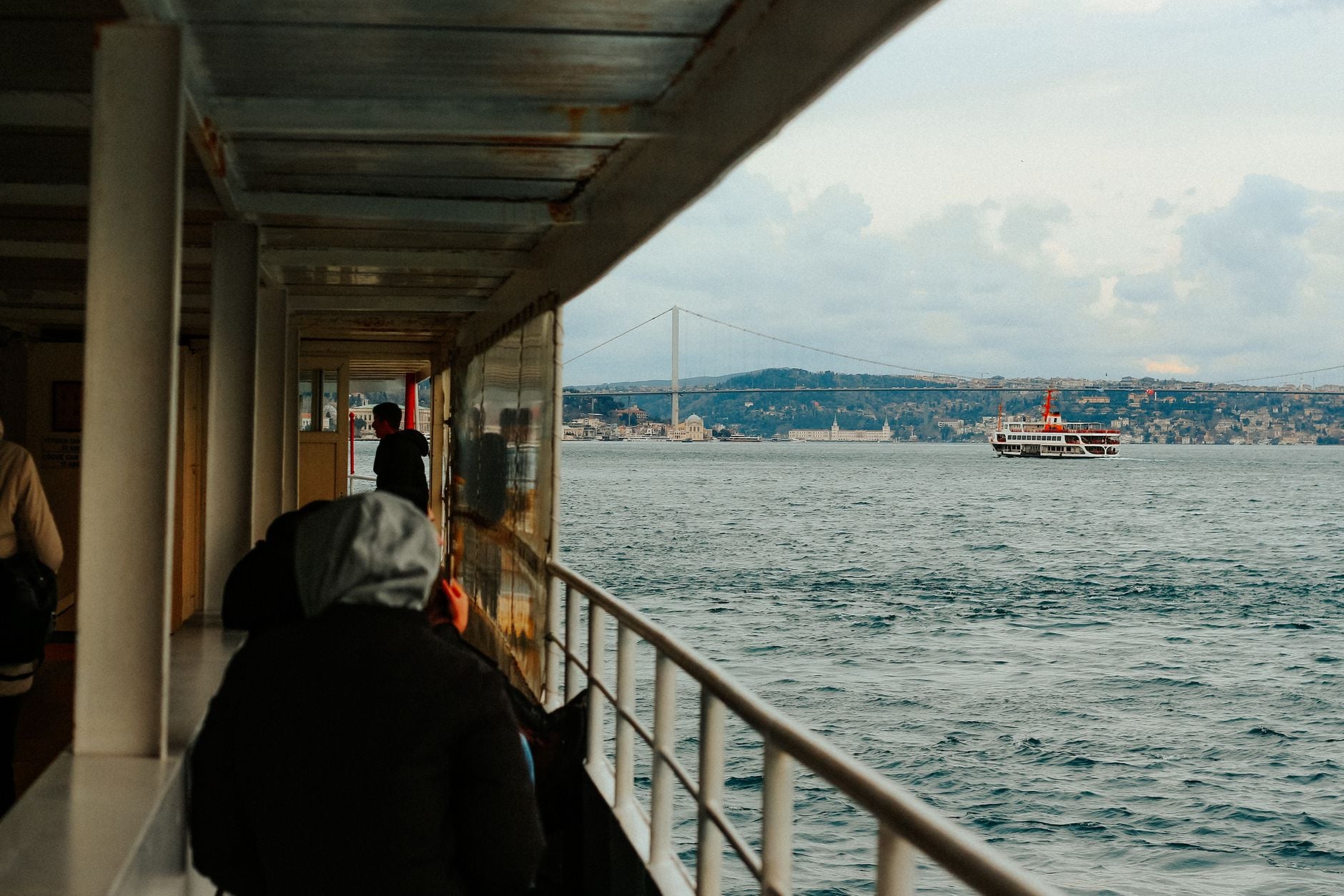
The Isle of Wight’s calendar fills up fast each year, from major music weekends to smaller coastal celebrations, and that means careful festival ferry travel Isle of Wight planning pays off. Crossing the Solent at the right time can mean the difference between a relaxed arrival and a stressful scramble through queues. This guide looks at how the Island’s events shape ferry demand, which routes and ticket types suit different trips, and how a sailing gets locked in before peak dates fill up.
Why the Isle of Wight’s Event Calendar Drives Ferry Bookings
Major events on the Island pull in large numbers of visitors within a short window, and that surge shows up directly in ferry demand. Wightlink has built its events programme around this pattern, offering reduced-rate crossings for a long list of occasions, from the Garlic Festival to regattas, walking festivals, and music events. For selected events marked with a green ‘Ferry offer’ banner, travel is permitted from the day before the event begins until the day after it finishes, giving visitors room to stay a little longer rather than rushing straight home.
Large festivals such as the Isle of Wight Festival generate the heaviest spikes in crossing demand across the whole season. Early-bird ferry offers tied to that festival are typically released well ahead of time and remain open only until a set capacity is reached, so timing a booking matters as much as choosing a route.
Three Convenient Routes Across the Solent for Festival-Goers
Wightlink operates three separate routes across the Solent, giving festival-goers a genuine choice depending on where they are travelling from and which side of the Island they need to reach. Covering crossings from east to west Wight, the route network means visitors heading to a festival site on one side of the Island are not forced onto a crossing that lands them on the opposite coast. Picking the closest route to the event site can cut down on extra driving once ashore.
Crossing times across these routes start from as little as 22 minutes, which keeps the sea journey itself a small part of the overall trip. Anyone coordinating festival ferry travel Isle of Wight plans around a specific set time or headline act needs to know which route lines up with the nearest port, as that matters as much as the booking itself.
Foot Tickets and Vehicle Tickets: Which Crossing Option Suits an Event Trip
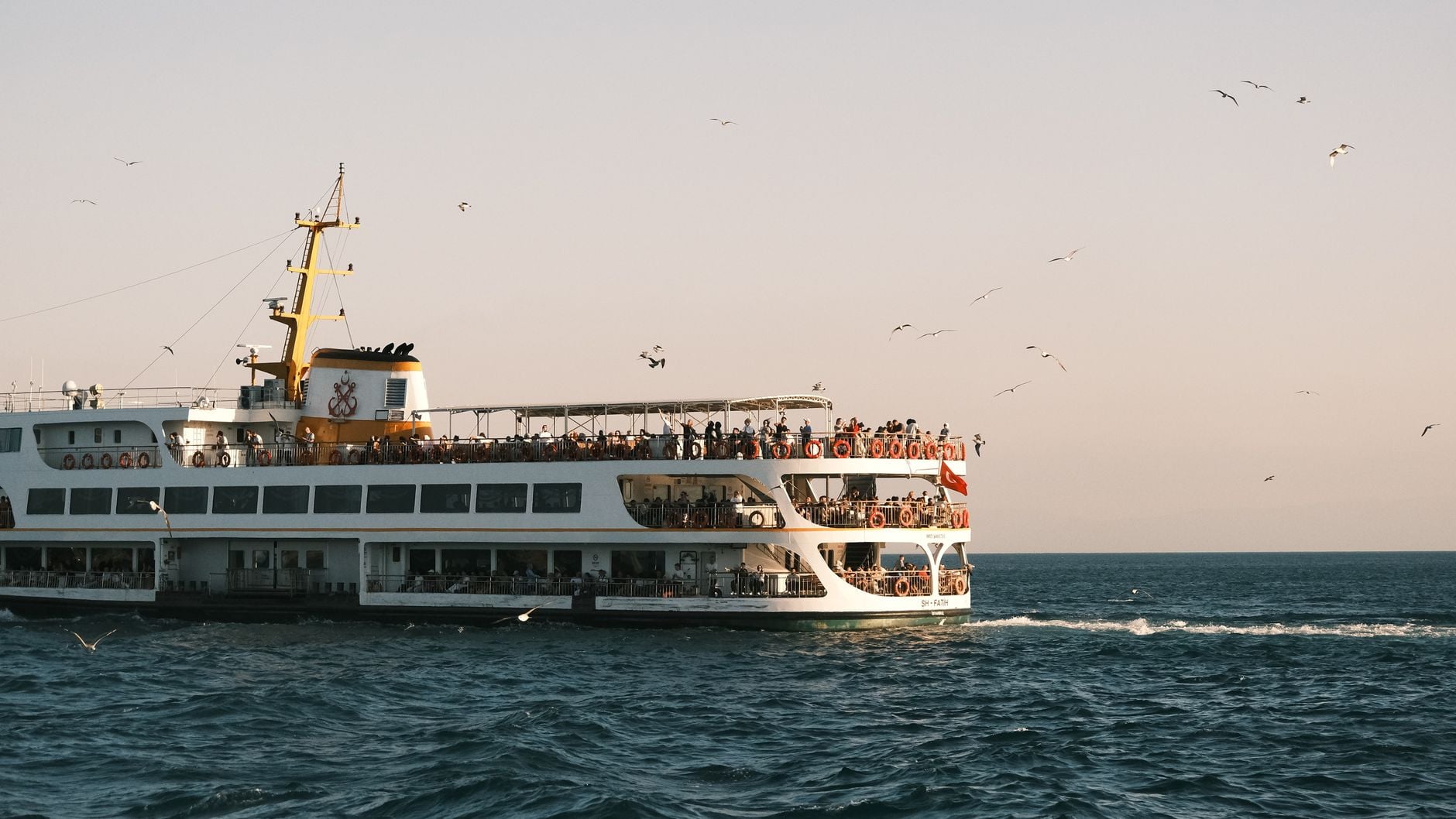
Foot passenger tickets suit arrivals by train or coach, with onward travel planned on foot or by bicycle, and bicycles can also be taken on board. Vehicle tickets suit those driving a car to the Island, whether for a day trip or a longer festival stay, and the vehicle ticket range covers both short hops and longer visits. The choice usually comes down to how much gear needs transporting and whether onward travel on the Island happens by car or on foot.
Festival trips involving camping equipment, tents, or multiple bags are often more practical with a vehicle crossing, while day visitors without luggage can manage comfortably as foot passengers. The foot and vehicle ticket ranges are listed separately on the Wightlink site, allowing a direct comparison before booking.
On-Board Experience: Sun Decks, Play Areas and Island Food While Crossing
The crossing itself is treated as part of the getaway rather than simply a gap between mainland and Island. Sun decks on board give passengers Solent views during the sailing, and on-board play areas give children somewhere to let off energy before arrival. Cafés serve Isle of Wight-sourced food and drink, so the journey includes a taste of the Island before the ferry even docks.
These facilities stay consistent across the fleet, meaning the on-board experience feels similar whichever of the three routes a passenger chooses. For families or groups heading to an all-day event, that short window on deck can double as a rest stop before a long day of festival activity.
Season Tickets and Multilink Passes for Frequent Festival Visitors
Visitors who cross the Solent often, whether for a run of summer events or regular weekend trips, have several ongoing ticket options to consider. Season Tickets allow unlimited discounted foot travel over a set period, such as six months, which suits commuters and repeat visitors alike. Multilink Passenger Passes instead offer a set number of discounted foot sailings, for example 20 single crossings, which suits those planning several separate trips across a season.
Multilink Vehicle Passes work on a similar set-number basis but are only valid for Isle of Wight residents or homeowners. Business Passes are also available through Wightlink for those crossing regularly for work rather than leisure. Pass holders at certain levels, such as the Multilink 60 Vehicle Pass or an Annual Season Ticket, also receive discount codes to share with friends or family travelling from the mainland.
Booking a Ferry Crossing Around Peak Event Dates
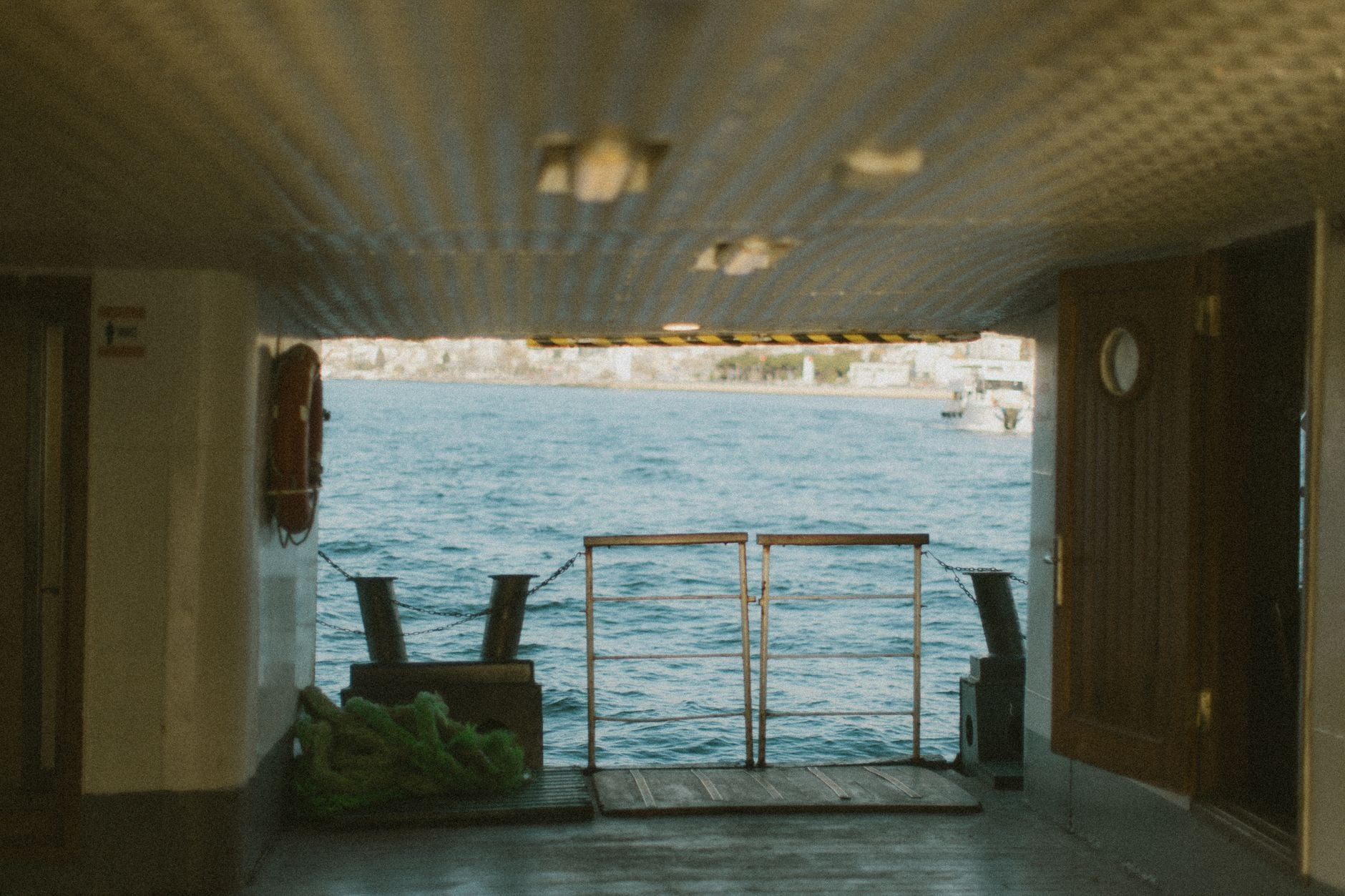
Booking ahead matters most around the Island’s busiest event weekends, when demand for both foot and vehicle crossings climbs sharply. The Wightlink events page flags eligible occasions with a dedicated ferry offer banner, making it easier to spot which dates carry a reduced-rate crossing. Checking that banner before settling on travel dates can shape an entire itinerary around available sailings.
Flexibility also helps when planning festival ferry travel Isle of Wight style, around a specific event. Travelling out a day early or returning a day after an eligible event ends, where the event-ticket terms allow it, can avoid the tightest crossing windows on the festival’s actual start and end dates.
- Crossings tend to book up fastest in the days immediately surrounding a major festival’s opening and closing dates.
- Certain sailing times on popular routes can sell out well before the festival weekend itself arrives.
- Vehicle crossings are generally harder to secure at short notice than foot passenger sailings during peak periods.
- Alternative departure times on the same day often remain available even when a preferred sailing is fully booked.
- Routes serving the side of the Island closest to a major event venue tend to fill up more quickly than other crossings.
- Early booking windows, such as those tied to seasonal ferry offers, typically close once a set capacity limit is reached.
Careful timing turns a hectic festival weekend into a smoother trip from the very first sailing.