Large-format screens and curved displays have reshaped how crowds gather to watch sports and live performances. Immersive technology sports entertainment experiences now extend beyond the arena seat, letting audiences feel closer to the action through scale and visual depth. Cosm sits at the center of this shift, building venues designed around that kind of shared, large-scale viewing.
What Cosm Does: Immersive Display Technology for Live Events
Cosm is a global technology company that builds immersive experiences across several industries. Its core offering centers on display technology designed for live events, where visuals surround audiences rather than sitting on a single flat screen. That approach separates its venues from a standard theater or a conventional sports bar setup.
According to the brand’s own description, Cosm focuses on three broad categories. These are Sports and Entertainment, Science and Education, and Parks and Attractions. Each category uses the same underlying display approach, adapted to a different kind of audience and setting.
Cosm’s Role in Sports Entertainment Experiences
Sports viewing has traditionally meant either being in the stadium or watching from a living room. Cosm positions itself between those two experiences, offering venues where fans gather around large immersive displays to watch games together. This model gives sports entertainment experiences a communal feel that a private screen cannot replicate on its own.
Because the technology is built for shared viewing, it suits group attendance rather than solitary streaming. That distinction matters for venues built around fan gatherings, watch parties, and live broadcasts. The focus stays on the collective experience of a live event rather than on an individual screen.
Immersive Technology in Entertainment Venues
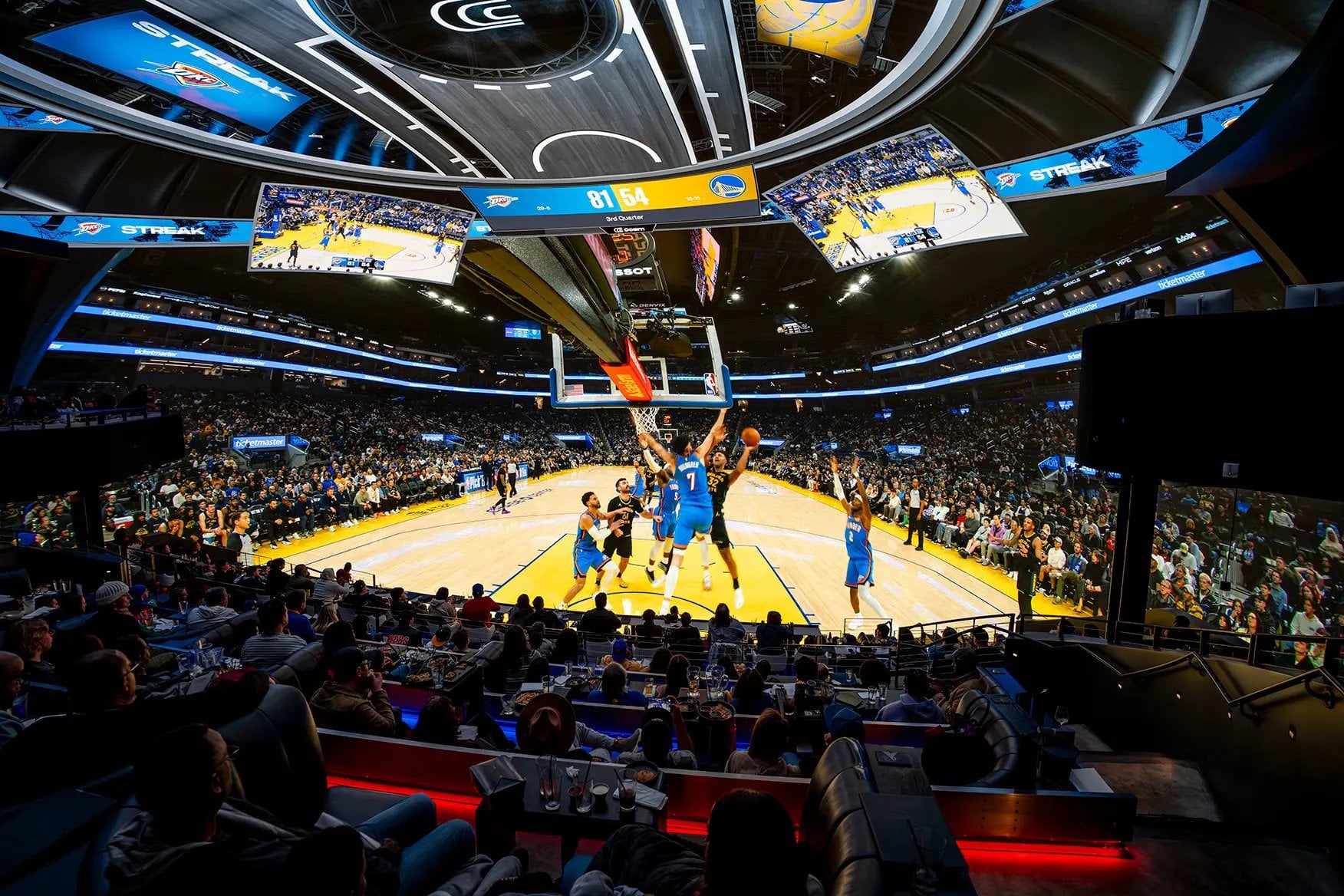
Beyond sports broadcasts, It’s venues also serve broader entertainment programming. Immersive technology sports entertainment applications can include concerts, performances, and other live content formats that benefit from large-scale, surrounding visuals. This flexibility lets a single venue type host more than one kind of event.
Venues built on this technology are designed to host audiences for events that go beyond a typical screening room. In addition, this approach allows entertainment programming to take advantage of the same immersive display infrastructure built for sports content. That shared infrastructure is part of what makes the model efficient for operators running varied schedules.
Science and Education Applications Beyond Sports
Cosm‘s reach is not limited to sports and entertainment. The company also applies its immersive display systems to science and education settings, where large-format visuals can support learning content. This places the brand’s technology inside museums, planetariums, and similar educational environments.
In these settings, the same immersive approach used for a live game broadcast gets applied to educational programming instead. That means a single underlying display technology serves very different audiences, from sports fans to students. This cross-industry reach is one of the clearer signals of how broadly the company’s systems are used.
Parks and Attractions Using Cosm’s Immersive Systems
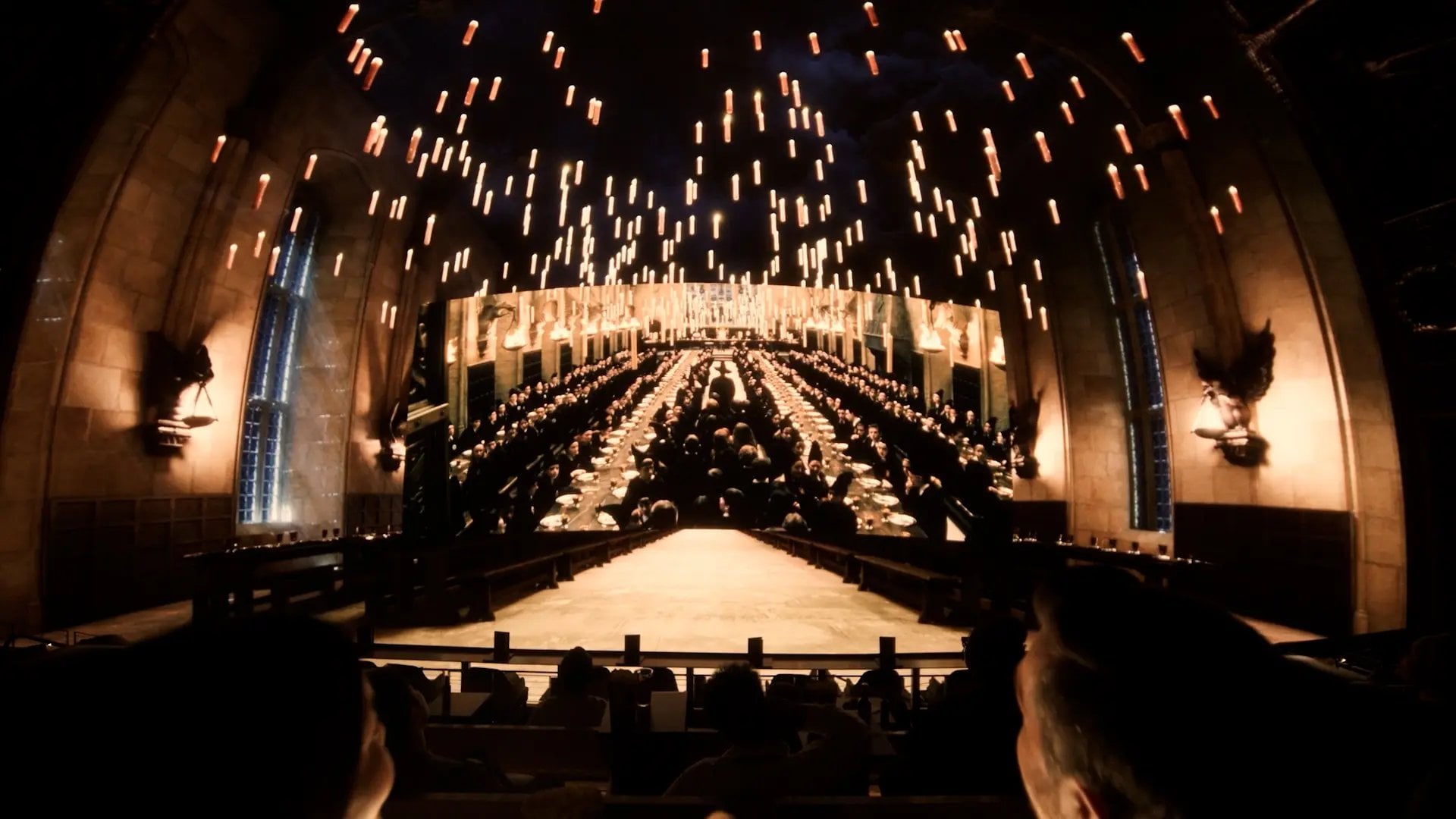
The third category named by the brand is Parks and Attractions. Immersive display technology designed for sports venues can also fit into attraction settings, where visitors expect large-scale, engaging visuals as part of a broader experience. This extends the brand’s footprint beyond both sports arenas and classrooms.
As with the education sector, this application reuses the same core display approach in a new context. That consistency across sectors suggests the underlying technology is built to be adaptable rather than tied to one single use case. Parks and attractions represent a third distinct audience for the same immersive foundation.
The Global Reach of Cosm’s Venue Technology
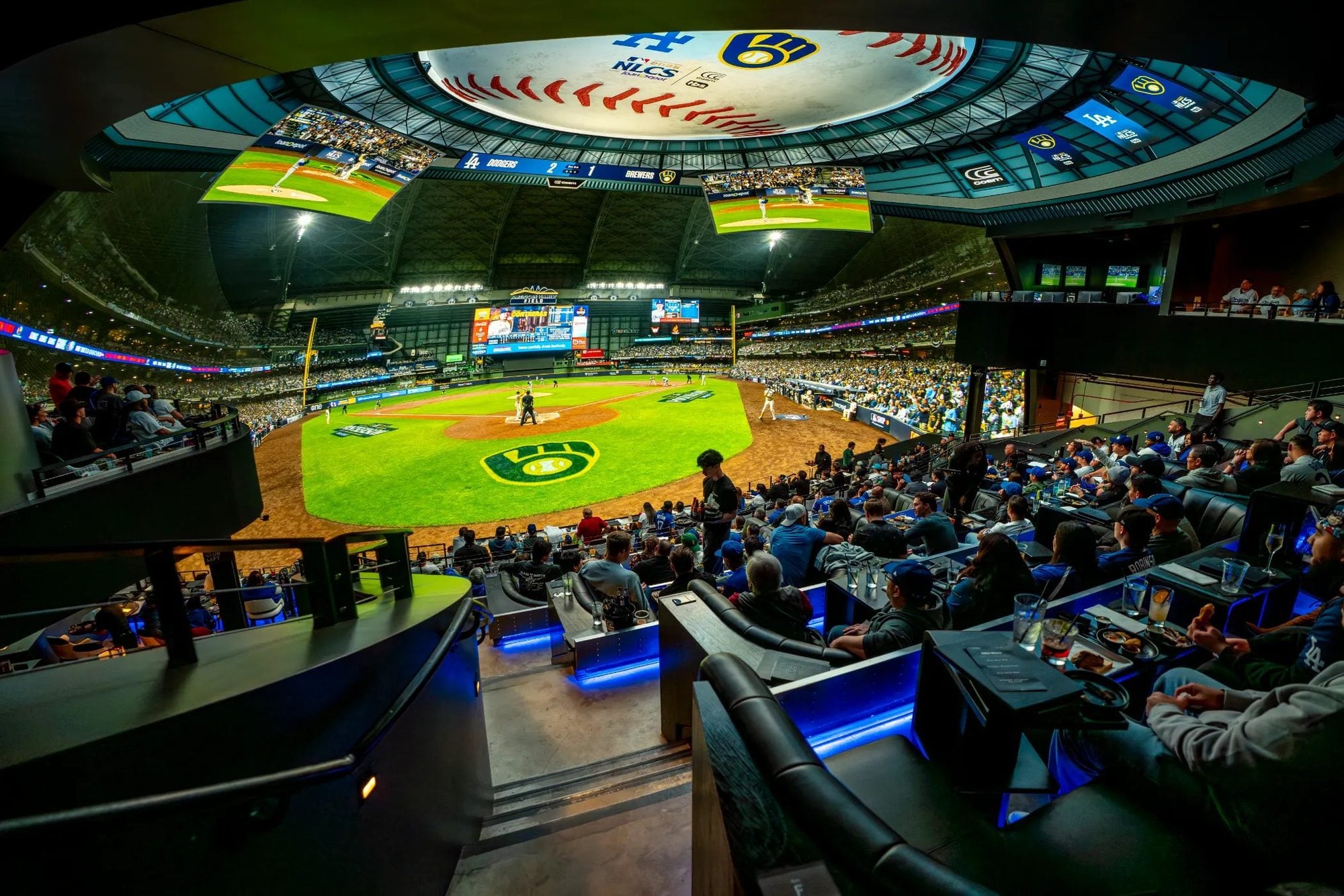
Cosm describes itself as powering immersive experiences around the world, which points to a presence that spans multiple regions rather than a single market. That global framing matters for understanding the scale of the company’s venue network. It also reflects how sports entertainment experiences built on this technology are not confined to one country or one type of city.
The following list outlines the different sectors and venue types where this kind of immersive technology gets deployed globally.
- Sports and entertainment venues built for group viewing of live games and broadcasts.
- Entertainment spaces that host concerts and other live performance formats.
- Science and education venues such as museums and planetariums that use large-format displays for learning content.
- Parks and attractions that incorporate immersive visual systems as part of the visitor experience.
Taken together, this spread of venue types shows how one display approach can serve very different audiences. Sports entertainment experiences, educational programming, and attraction-based entertainment each draw on the same immersive foundation. That range is part of what distinguishes Cosm from a company focused on a single venue format.
Looking Ahead
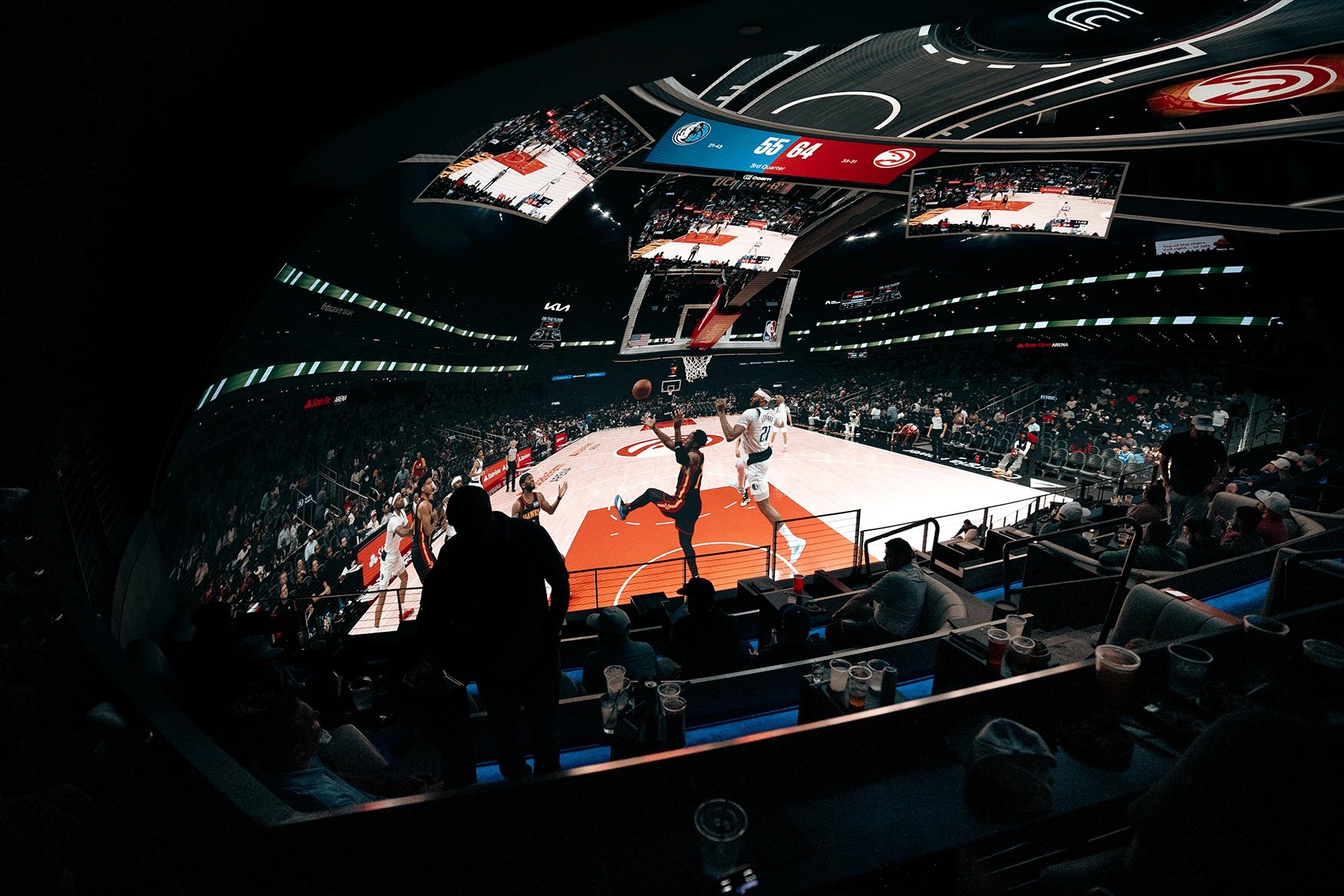
Immersive technology sports entertainment continues to expand past the traditional stadium seat or living room screen. Cosm‘s presence across sports, education, and attractions suggests this kind of shared, large-scale viewing is becoming a broader category rather than a niche.