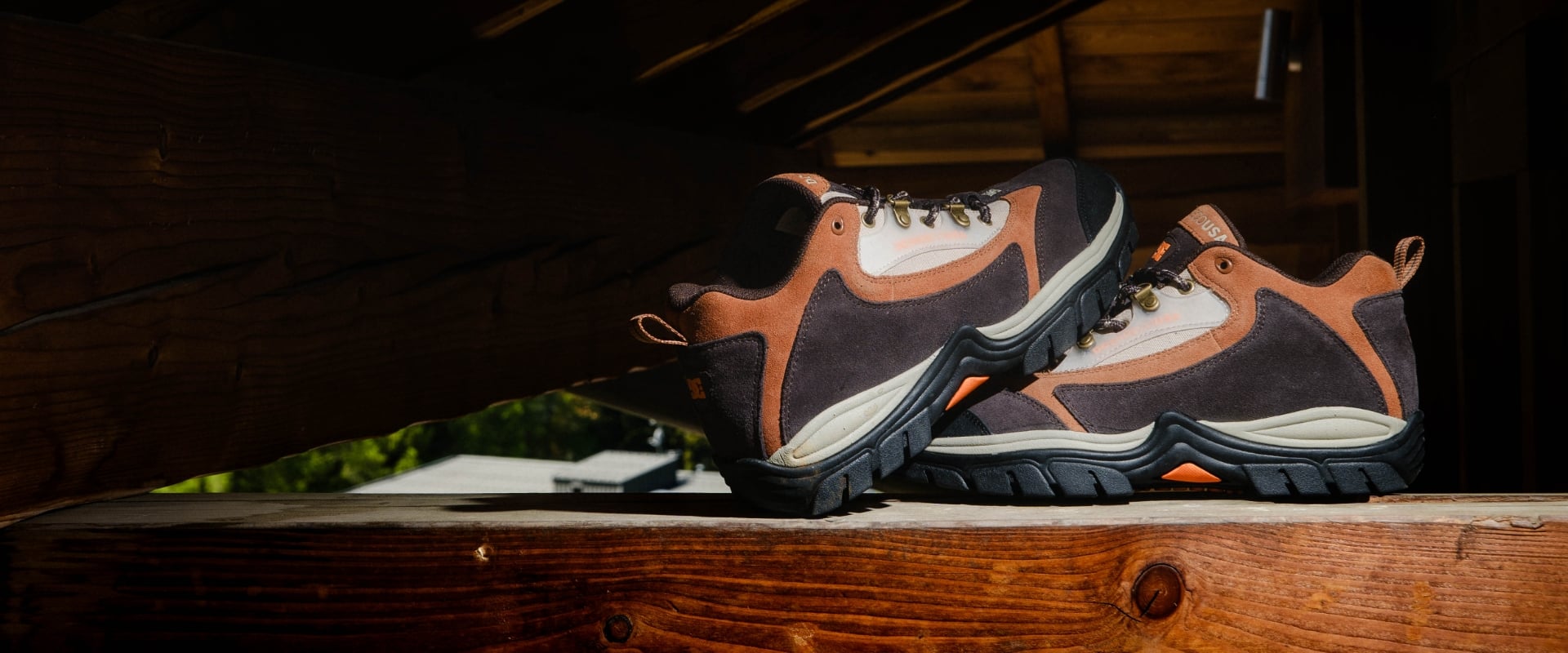
Skating and snowboarding share a lot of culture, but the footwear built for each sport solves a different problem. The skate shoes vs snowboard boots question comes down to construction rather than looks, since one is built for flat ground contact and the other is shaped to lock into a binding on a slope. Dcshoes treats the two as separate product families, which is a useful starting point for understanding why they diverge so much in build and purpose.
Skate Shoes and Their Court-Ready Design
Dcshoes lists skate shoes in a dedicated section alongside Sneakers and Flip Flops, and within that section named lines such as Essentials, Roammax, Astrix, DC Command, Pure, Manteca, Net, and Onyx all appear. That range of names points to a catalogue meant for everyday wear as much as for time spent on a board. Highlights such as Ducati, DC Star, AT-2, Liquid, Fuego, and Fractal sit alongside those core lines too.
Skate shoes in this category generally use flatter, thinner soles than cold-weather boots. In skate footwear generally, a thinner sole is associated with closer contact between foot and deck, which is one reason the category favors that build. Ankle flexibility also tends to matter in this grouping, since quick footwork and flat-ground tricks call for a joint that moves freely.
Snowboard Boots: Specialized Winter Performance Footwear
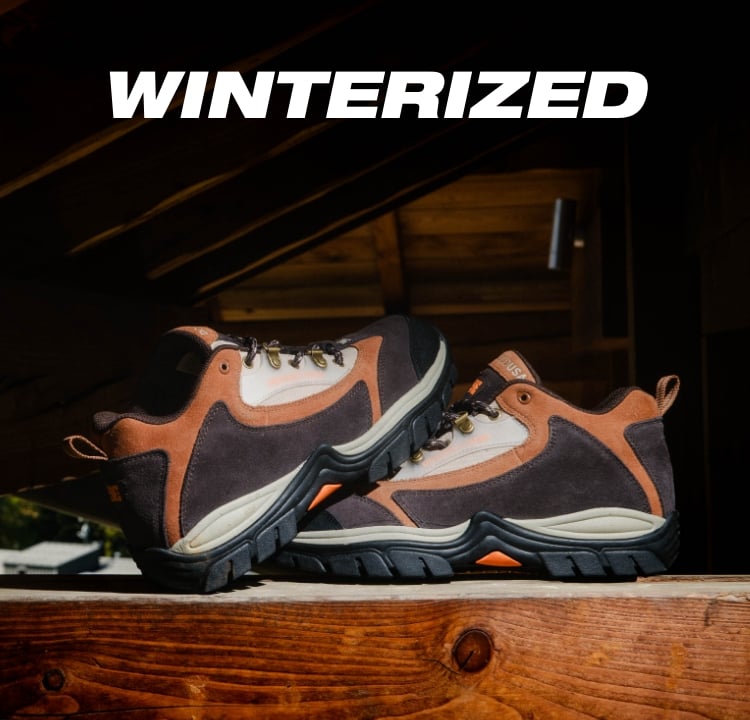
Dcshoes groups snowboard boots with snowboard jackets, snowboard pants, gloves, and beanies under its Snow Shop sections rather than with its everyday shoe lines. That placement signals that snowboard boots sit within a wider winter outfitting range rather than standing alone as a single shoe type. It also helps explain why the construction diverges so clearly from skate footwear.
Snowboard boots, as a category, are built to stay secured inside a binding for extended stretches on a slope. Binding compatibility in this type of footwear generally means a stiffer shape around the ankle, built to hold a rider’s foot in place against that hardware. A skate shoe touches grip tape and pavement instead, so it is not built around that same locked connection.
Court Graffik and Stag: Iconic Skate Shoe Silhouettes
Among the named skate styles, Court Graffik and Stag appear repeatedly across the Dcshoes site, spanning men’s, women’s, and kids’ listings. Court Graffik shows up as its own line for men, women, and kids, suggesting a recurring silhouette rather than a single release. Stag appears alongside it within the men’s and kids’ Essentials groupings, while Pixie appears as a named line within the women’s range.
These names sit next to other skate-focused lines already mentioned, such as Astrix and DC Command. The breadth of named skate shoe lines points to a catalogue built specifically for street and park use. None of these silhouettes appear under the Snowboard Boots or Winter Boots listings, which keeps the skate and snow groupings structurally separate on the site.
Material and Support Differences Between Disciplines
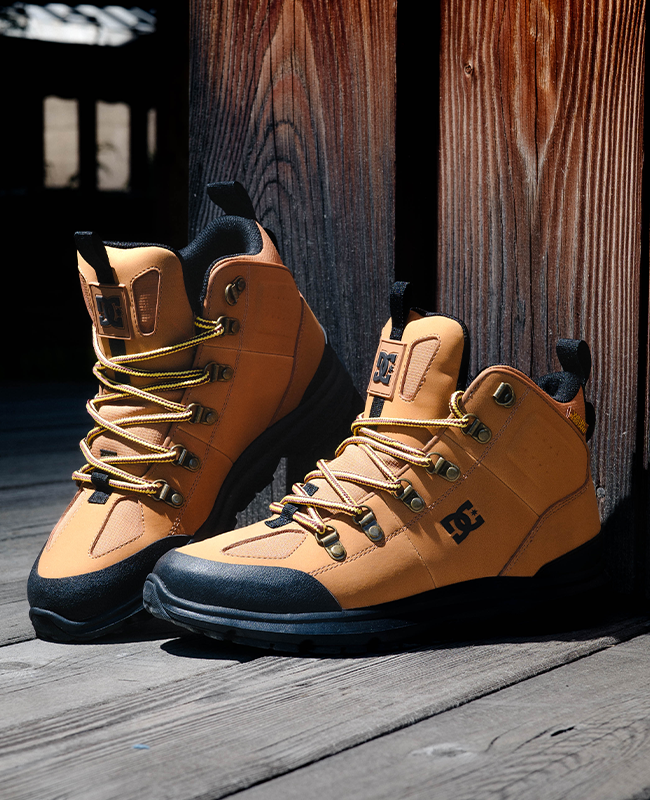
Skate footwear generally favors lighter uppers and thinner midsoles, since bulk can get in the way of flip tricks and ledge work. Snowboard boots, by contrast, sit within a product grouping that also includes insulated jackets and pants, pointing to a cold-weather purpose rather than a trick-focused one. That grouping is one way the skate shoes vs snowboard boots divide shows up in how Dcshoes organizes its own catalogue.
Because the site keeps its shoe groupings apart in its own navigation rather than blending them together, it draws a structural line between casual cold-weather wear, binding-ready boots, and street-focused shoes. That organization makes it easier to tell the categories apart before narrowing down a specific style. In that sense, the distinction between skate shoes and snowboard boots is partly visible just in how the catalogue itself is arranged.
- Skate shoe soles are generally built thin and flat within that category.
- Snowboard boots are shaped and stiffened around the ankle to stay secure inside a binding.
- Ankle flexibility tends to matter more in skate shoes, where footwork and flat-ground tricks call for a looser joint.
- Winter Boots form their own separate listing from Snowboard Boots on the Dcshoes site.
- Court Graffik and Stag remain exclusive to the skate shoe listings and do not appear among the snow categories.
When to Choose Each Footwear Type
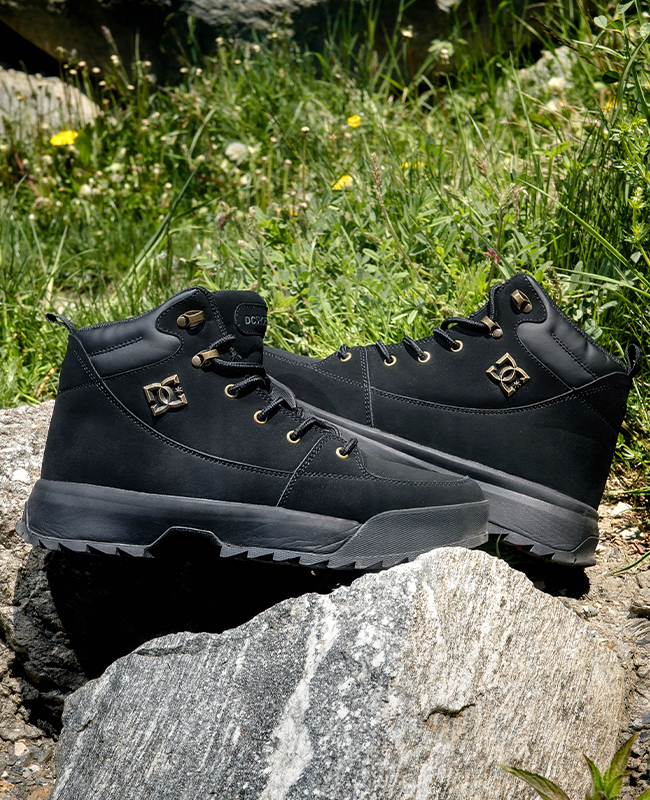
Skate shoes belong with street and park skating, where flatter soles and lighter builds are common traits of that category. Snowboard boots belong with time spent in bindings on snow, where a stiffer shape and secure ankle support define the category instead. The skate shoes vs snowboard boots choice, in other words, tracks the activity rather than a season or a look.
Each grouping also connects to its own supporting gear on the Dcshoes site, from Essentials-named skate shoes to snowboard jackets and pants listed under Snow Shop. That connection reflects how the two footwear types are organized around different activities rather than one universal design. Anyone weighing skate shoes against snowboard boots can use that same navigation split as a reference point.
Winter Boots and Snowboard Boot Integration
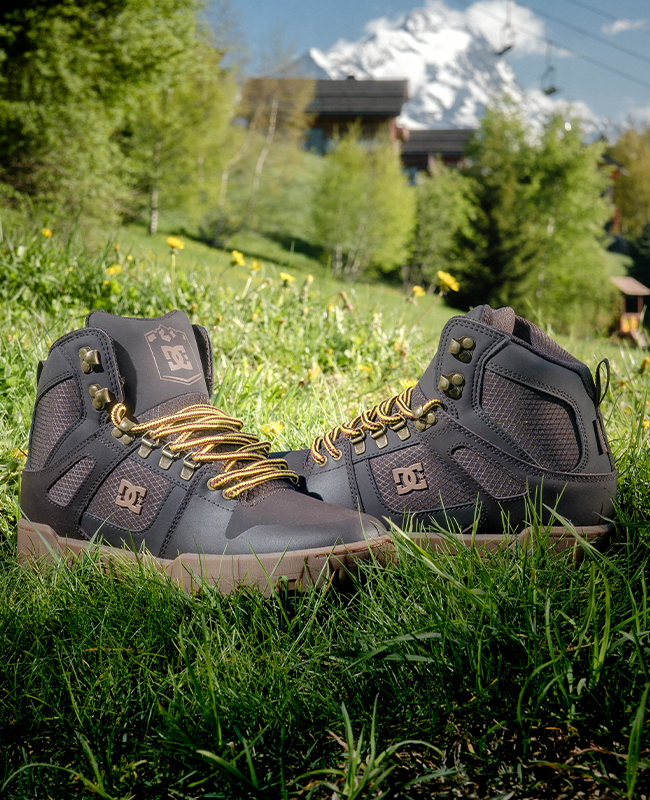
Dcshoes keeps Winter Boots, Snowboard Boots, and Skate Shoes as three separate listings, each with its own section for men, women, and kids, and none of the three overlaps with another in the site’s own navigation. The site also references a returning run of footwear described in its own heading as winterized shoes, shown as part of the broader footwear range rather than folded into skate shoes. Beyond that headline mention, the site does not spell out what separates this run from the rest of the winter lineup.
That three-way split matters for anyone browsing by activity instead of by season alone. A rider heading toward a resort looks toward the Snow Shop sections, while someone staying on pavement stays within Skate Shoes and its named lines. The categories do not overlap in the site’s own navigation, which keeps the comparison between skate shoes and snowboard boots grounded in how the catalogue is actually organized.
Footwear menus built this way make browsing by purpose simpler than browsing by general shoe type alone.