

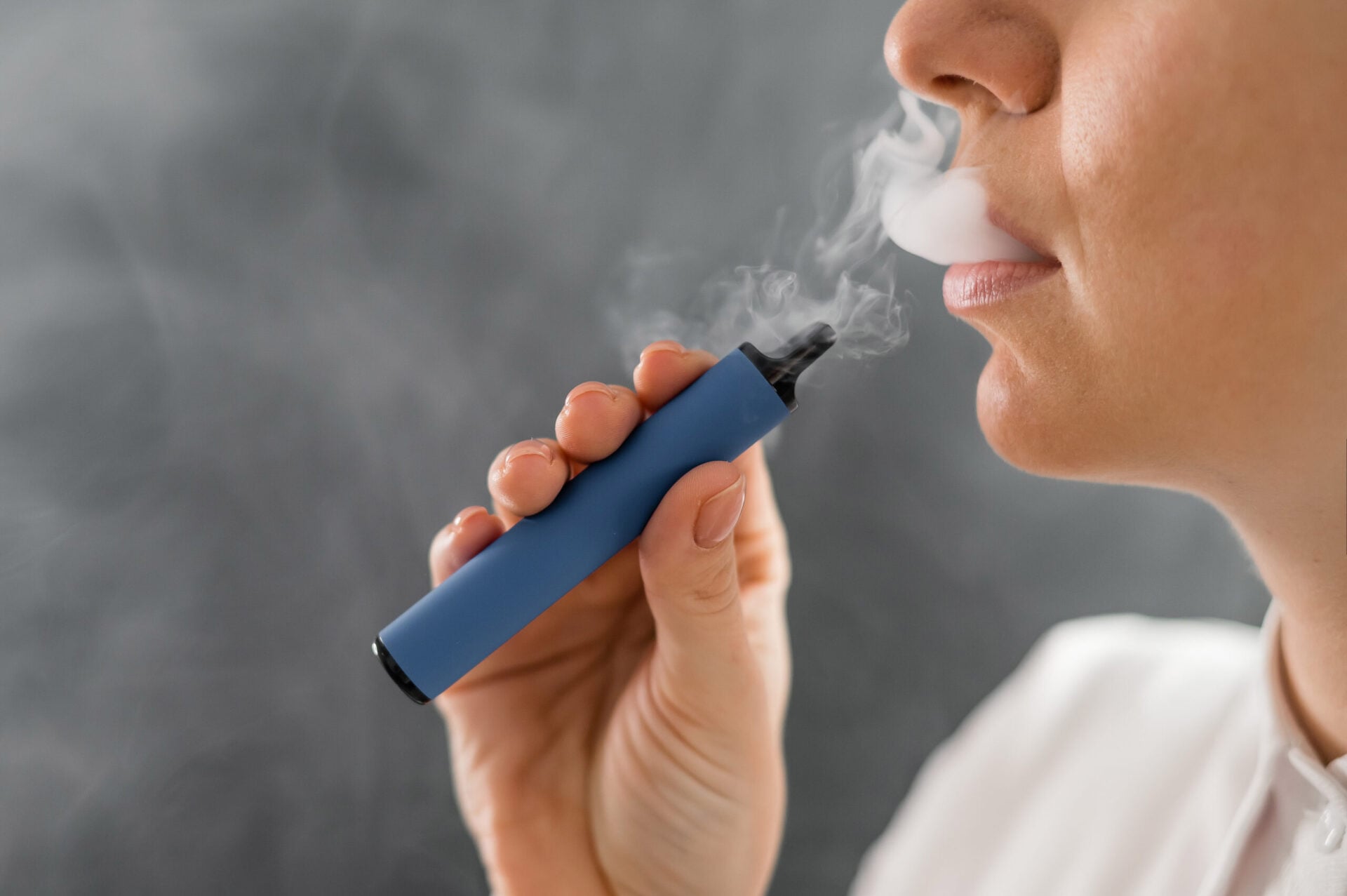
The vaping industry has experienced significant changes over recent years, introducing a wide variety of electronic devices, e-liquids, and accessories designed for adult consumers. As technology develops, understanding product features, device compatibility, and safety considerations has become increasingly important. T2 Vape is a name associated with the vaping market, where consumers encounter different nicotine formulations, electronic systems, and product designs. However, choosing or using vaping equipment requires more than recognizing a brand name or examining a device’s appearance. Battery safety, product authenticity, ingredient transparency, and responsible handling all deserve careful attention. Exploring these considerations helps adults better understand the technology behind vaping products and the responsibilities associated with their use. It is also important to recognize that vaping is not risk-free, particularly when products contain addictive nicotine.
Understanding the Technology Behind Electronic Vaping Devices
Electronic vaping devices generally operate by using a battery-powered heating element to turn a liquid into an inhalable aerosol. Although different devices may look similar, their internal components, operating mechanisms, and maintenance requirements can vary considerably. Most systems include a battery, heating coil, liquid reservoir, and mouthpiece. Some incorporate adjustable settings, while others use simpler mechanisms intended to reduce the number of adjustments required during operation.
For consumers researching T2 Vape and comparable products, understanding these fundamental components provides useful context. Battery capacity influences operating duration, while coil construction and electrical resistance affect how devices function. Liquid compatibility is another important consideration because not every formulation is suitable for every device. Incorrect combinations or poorly maintained components may lead to leaks, overheating, or other problems. Users should always consult the manufacturer’s instructions rather than assuming that different components are interchangeable.
Exploring Different Types of Vaping Equipment and Accessories
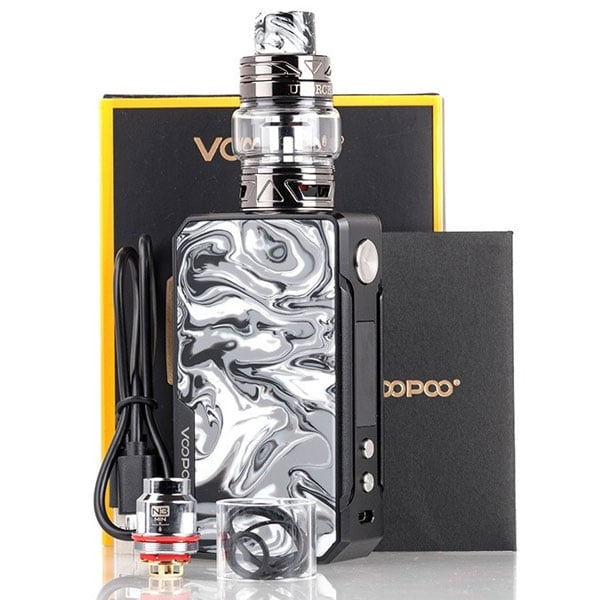
The modern vaping market includes various device categories, each developed with different technical characteristics and maintenance requirements. Some systems use replaceable cartridges, while others feature refillable reservoirs or integrated components. These distinctions affect how equipment is maintained, how waste is handled, and what users should inspect before operating a device. Understanding the differences can help adults evaluate product information more carefully.
Common categories and components in the vaping market include:
- Disposable vaping devices: Self-contained electronic products generally intended for a limited period of use before appropriate disposal.
- Pod systems: Compact devices that use removable or replaceable cartridges to hold e-liquid.
- Refillable vape kits: Devices featuring reservoirs that can be replenished with compatible liquids.
- Replacement coils: Heating components that may require periodic replacement, depending on device construction.
- E-liquids: Liquid formulations that may contain propylene glycol, vegetable glycerin, flavorings, and nicotine.
- Charging accessories: Cables and other components that must meet the device manufacturer’s electrical specifications.
- Protective accessories: Storage cases and compatible protective components that may help prevent accidental damage.
These categories illustrate why technical documentation matters when evaluating products associated with T2 Vape or other vaping brands. Not every manufacturer supplies every type of equipment, and specific product availability should be verified through current official information.
Why Product Authenticity and Ingredient Transparency Matter
Product authenticity is an important consideration throughout the electronic vaping industry. Counterfeit devices, improperly labeled liquids, and unverified accessories can create additional risks for consumers. Packaging alone does not necessarily establish whether a product meets applicable manufacturing or regulatory requirements. Adults examining vaping products should pay attention to manufacturer information, ingredient disclosures, appropriate warnings, batch identification, and any available authenticity verification procedures.
Ingredient transparency is especially relevant when nicotine-containing e-liquids are involved. Nicotine is highly addictive, and the amount present in different products can vary substantially. Flavoring ingredients that are considered safe for certain food applications are not automatically safe to inhale. Consumers should also recognize that vaping aerosol is not simply harmless water vapor. It can contain potentially harmful substances, and the long-term health consequences of vaping continue to be studied.
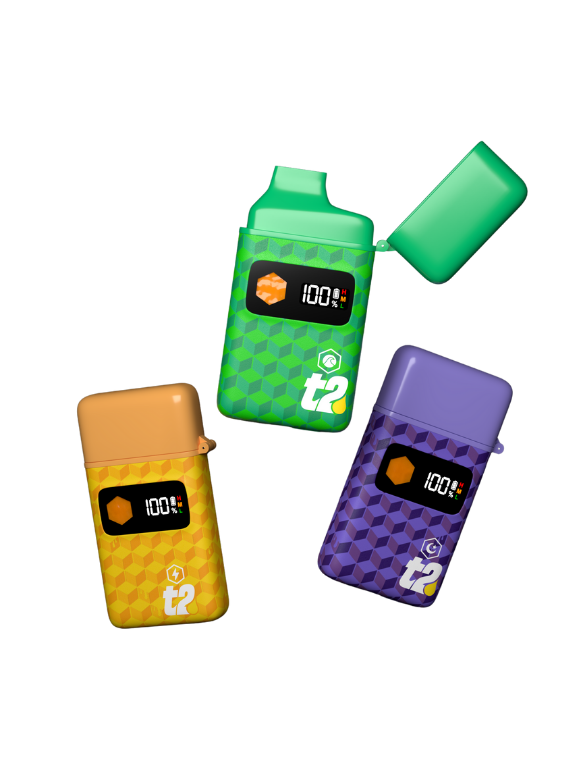
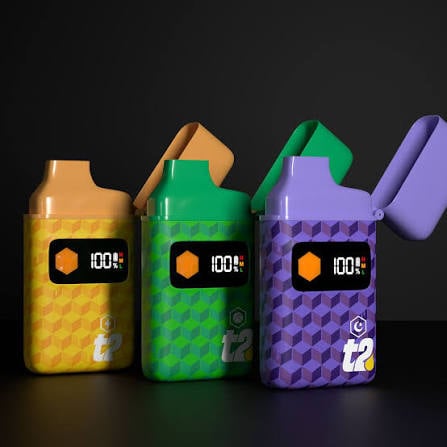
When researching T2 Vape, it is important to distinguish verifiable product specifications from unsupported marketing claims. Detailed labeling, accessible instructions, and clear manufacturer contact information can help consumers identify the information needed to make informed decisions.
Battery Safety and Proper Device Maintenance
Rechargeable batteries are central to many modern vaping devices, making electrical safety an essential subject. Improper charging, physical damage, exposure to extreme temperatures, and the use of incompatible charging equipment can create serious hazards. Lithium-ion batteries, commonly used in portable electronic devices, may overheat or fail when damaged or handled incorrectly. For this reason, following manufacturer guidance is particularly important.
Users should inspect electronic equipment regularly for visible damage, unusual heating, leaking liquids, or malfunctioning components. A damaged device should not continue to be used. Charging equipment should match the specifications provided by the manufacturer, and batteries should not be left charging unattended or exposed to excessive heat. Loose removable batteries require suitable protective storage to reduce the possibility of short circuits.
Regular maintenance also contributes to responsible equipment handling. Cleaning external surfaces, checking cartridge connections, and replacing worn components according to manufacturer instructions may help prevent certain mechanical problems. However, maintenance cannot eliminate the health risks associated with inhaling vaping aerosol.
