

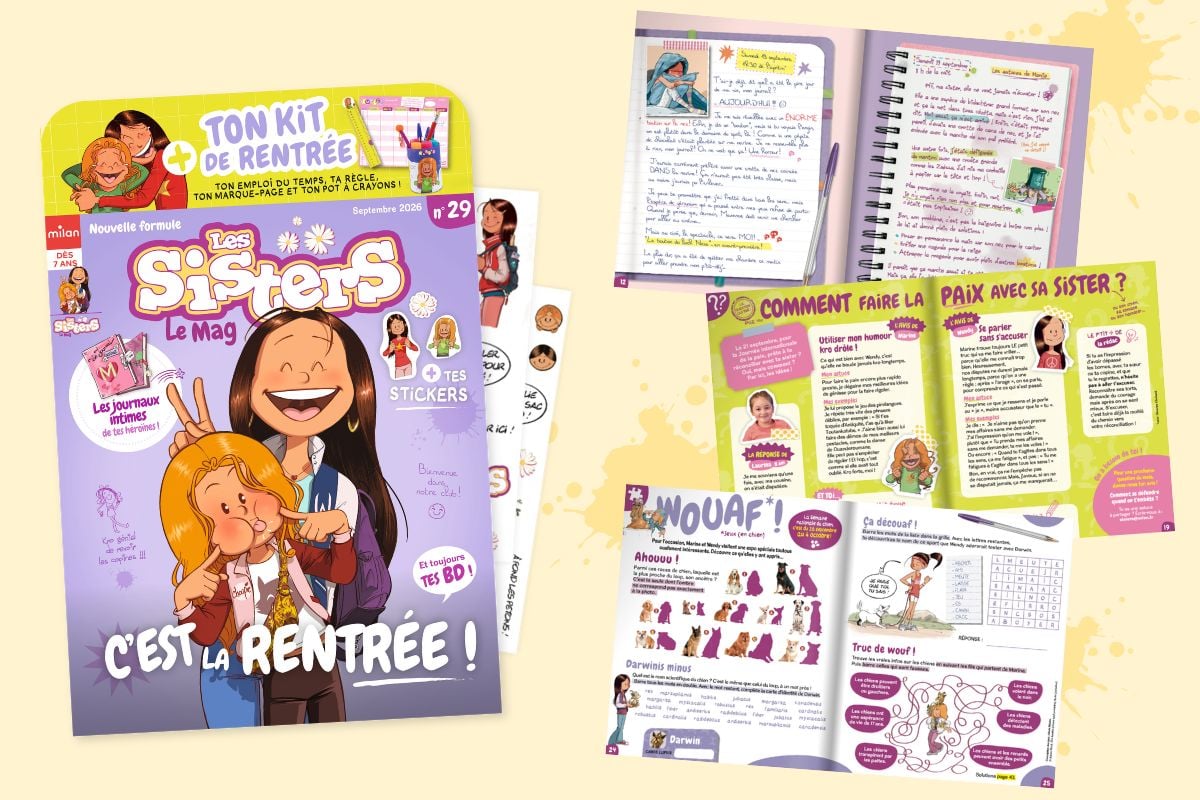
Reading is one of the most valuable habits children can develop. Beyond helping them learn words and understand sentences, books introduce young readers to new ideas, different experiences, and exciting worlds. A good story can turn an ordinary afternoon into an adventure, encourage curiosity, and inspire children to discover more about the world around them.
In a world filled with digital entertainment, giving children access to interesting books remains an important part of their development. Exploring a collection of stories through Milan-Jeunesse can be a starting point for families who want to make reading a more enjoyable part of everyday life.
How Books Shape a Child’s Early Development
Children learn in many different ways, and reading offers an opportunity to develop several important skills at once. When children listen to stories or read independently, they encounter new vocabulary, sentence structures, and expressions. Over time, these experiences can help them become more confident communicators.
Books also encourage children to think. A story might introduce a problem that needs solving, a character facing a difficult decision, or an unfamiliar situation that invites questions. Young readers begin to consider what might happen next and why characters behave in particular ways.
These small moments of reflection help build comprehension, reasoning, and imagination. Choosing books that match a child’s interests and reading ability can make this learning process feel natural rather than like another school activity.
Making Reading an Enjoyable Daily Habit
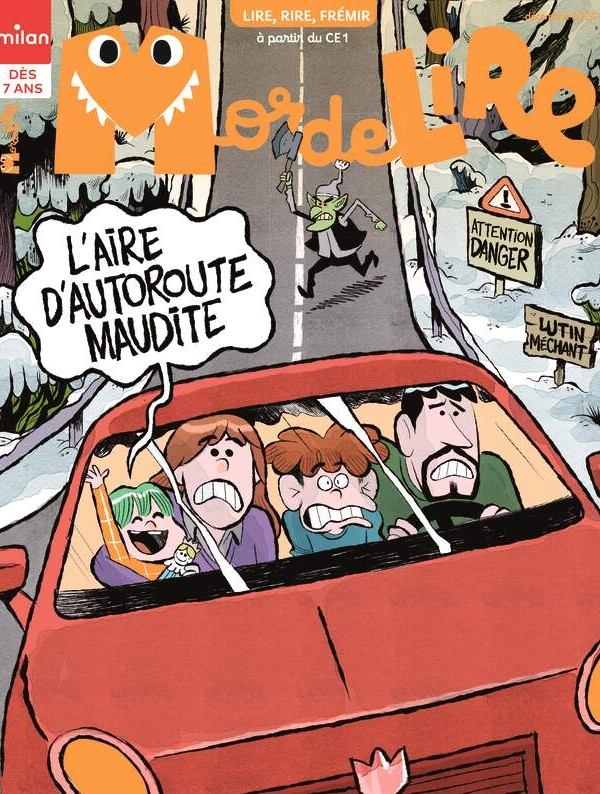
One of the best ways to encourage children to read is to make books part of their everyday routine. Parents do not need to create a complicated schedule. Even a short reading session can become a meaningful family activity.
For example, a few pages after breakfast, a story during a quiet afternoon, or a bedtime book can help establish consistency. The key is to keep the experience relaxed. Children should feel that reading is something they can enjoy, not something they are forced to complete.
Allowing children to choose their own books can also make a difference. Some may enjoy funny stories, while others prefer animals, adventures, mysteries, or imaginative characters. A varied selection gives young readers the freedom to explore different interests.
Families looking for ideas and reading inspiration can explore Milan-Jeunesse as they consider ways to bring more stories into their children’s routines.
Stories Help Children Understand Emotions
Books are not only about learning facts or improving language skills. Stories can also introduce children to emotions and relationships in a way they can understand.
Characters may experience happiness, disappointment, excitement, fear, friendship, or uncertainty. As children follow these experiences, they can begin to recognise similar feelings in themselves and others.
A story about friendship, for instance, might encourage a conversation about sharing or resolving disagreements. A character who feels nervous about trying something new could help a child talk about their own worries.
Parents can make these moments more valuable by asking simple questions. How do you think the character feels? What would you do in that situation? These conversations help children connect stories with real-life experiences.
Choosing Books That Match Different Ages and Interests
Not every book is suitable for every child. Age, reading ability, attention span, and personal interests all influence whether a story will be engaging.
Younger children often respond well to colourful illustrations, simple language, repetition, and familiar subjects. Pictures help them understand what is happening and keep them interested as they listen.
As children grow, they may become ready for longer stories, more detailed characters, and increasingly complex plots. Some may enjoy reading independently, while others still appreciate sharing books with a parent.
It is helpful to offer a mixture of familiar favourites and new discoveries. Re-reading a favourite story can build confidence, while exploring something different introduces fresh ideas and vocabulary.
A resource such as Milan-Jeunesse can be included in a family’s search for children’s reading material and new storytelling inspiration.
The Importance of Reading Together
Shared reading creates opportunities for connection. When adults read with children, they give them attention, encouragement, and a chance to ask questions without pressure.
Reading aloud also demonstrates how language works. Children hear pronunciation, rhythm, expression, and the way sentences flow. Even children who can already read independently may enjoy listening to a story being narrated.
Families can make shared reading interactive by discussing illustrations, predicting what might happen, or allowing children to describe their favourite characters. These activities turn reading into a conversation rather than a one-way experience.
Creating a Home That Encourages Curiosity
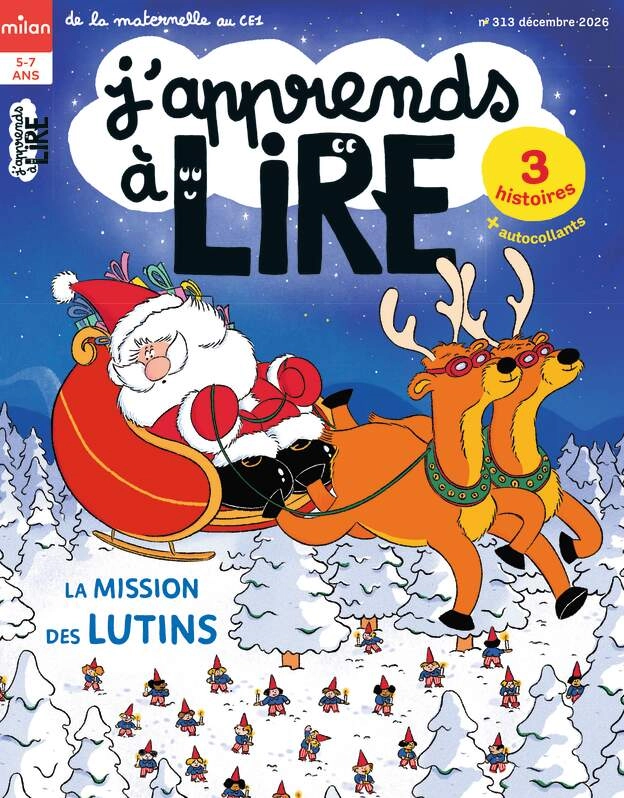
A child does not need a large personal library to develop an interest in books. A small, accessible reading corner can be enough. A comfortable chair, a few shelves, and books within easy reach can encourage children to explore independently.
Rotating the selection occasionally can also keep the experience interesting. Parents might introduce seasonal stories, books about a current hobby, or titles connected to something the family has recently experienced.
The goal is to make books feel like a natural part of the home environment.
Final Thoughts
Children’s books offer far more than entertainment. They support language development, encourage imagination, introduce emotional experiences, and create opportunities for meaningful family time. Most importantly, they can help children discover the pleasure of reading.
By choosing engaging stories, making time for shared reading, and allowing young readers to explore their interests, families can build habits that last well beyond childhood. Exploring Milan-Jeunesse can be one way to continue discovering the value of children’s literature and the stories that inspire young minds.

