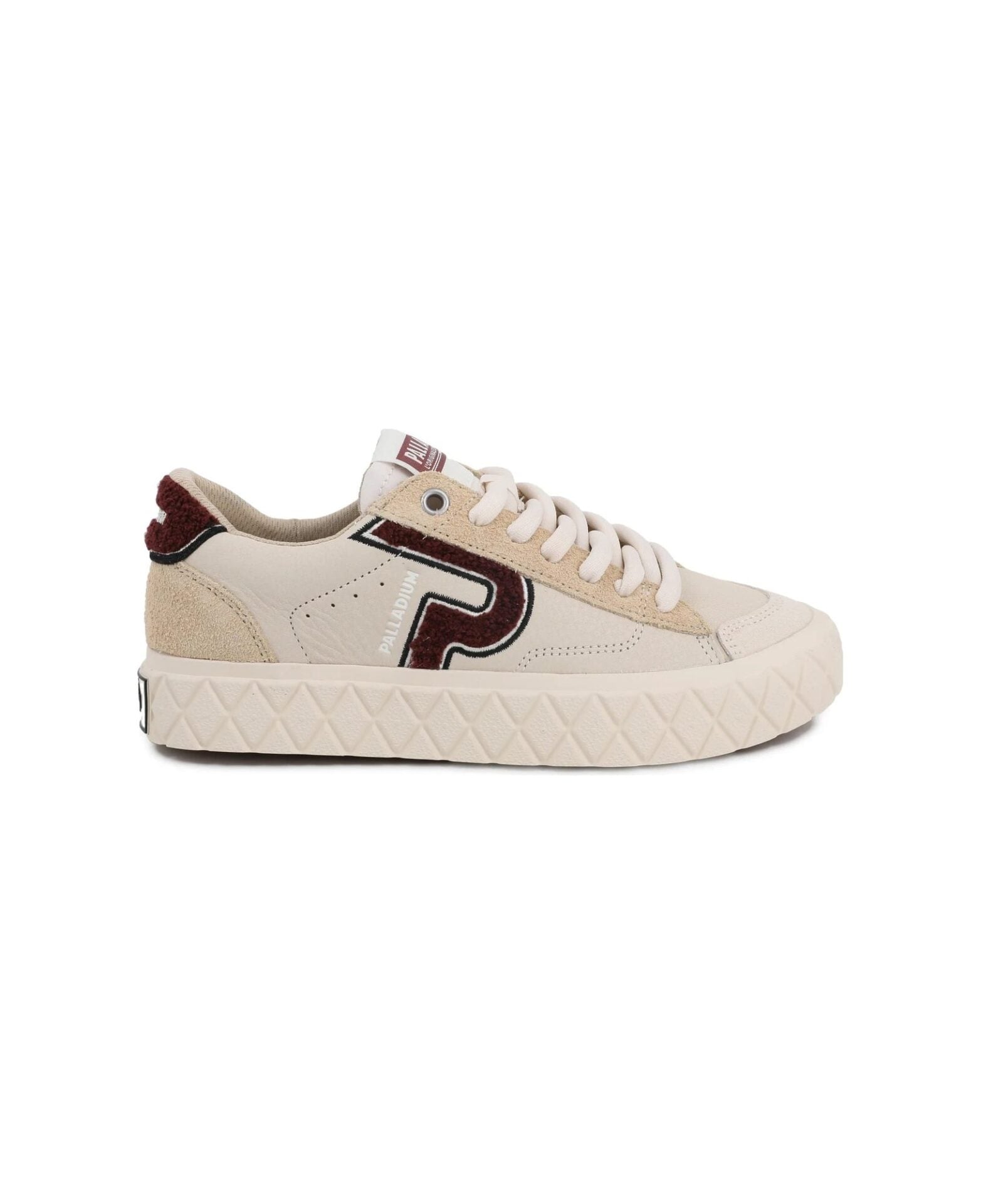
Anyone who has owned more than one Palladiumboots silhouette has likely noticed that two boots with the same profile can feel completely different underfoot and on the skin. That difference usually comes down to the upper material. A canvas vs nubuk boots comparison across the range explains why one pair softens quickly while another holds its shape through a damp season.
Washed Canvas Uppers and the Pampa Hi Legacy
The original Pampa Hi built its reputation on a washed canvas upper, a lightweight construction that has carried the Palladiumboots name for decades. Canvas is woven cotton, so it breathes more freely than leather or suede alternatives. That openness makes the boot feel lighter on the foot from the first wear, with less of a break-in period than a stiffer material would need.
Because canvas is thinner than nubuk, it also takes on a worn-in, slightly creased look sooner. Many buyers see this as part of the silhouette’s character rather than a flaw. In the Pallabase Twill, a related construction built for women, the fabric upper again favors a softer hand feel over a rugged one.
Nubuk Construction in Winter Boots: The Pampa Hi Zip WL Series
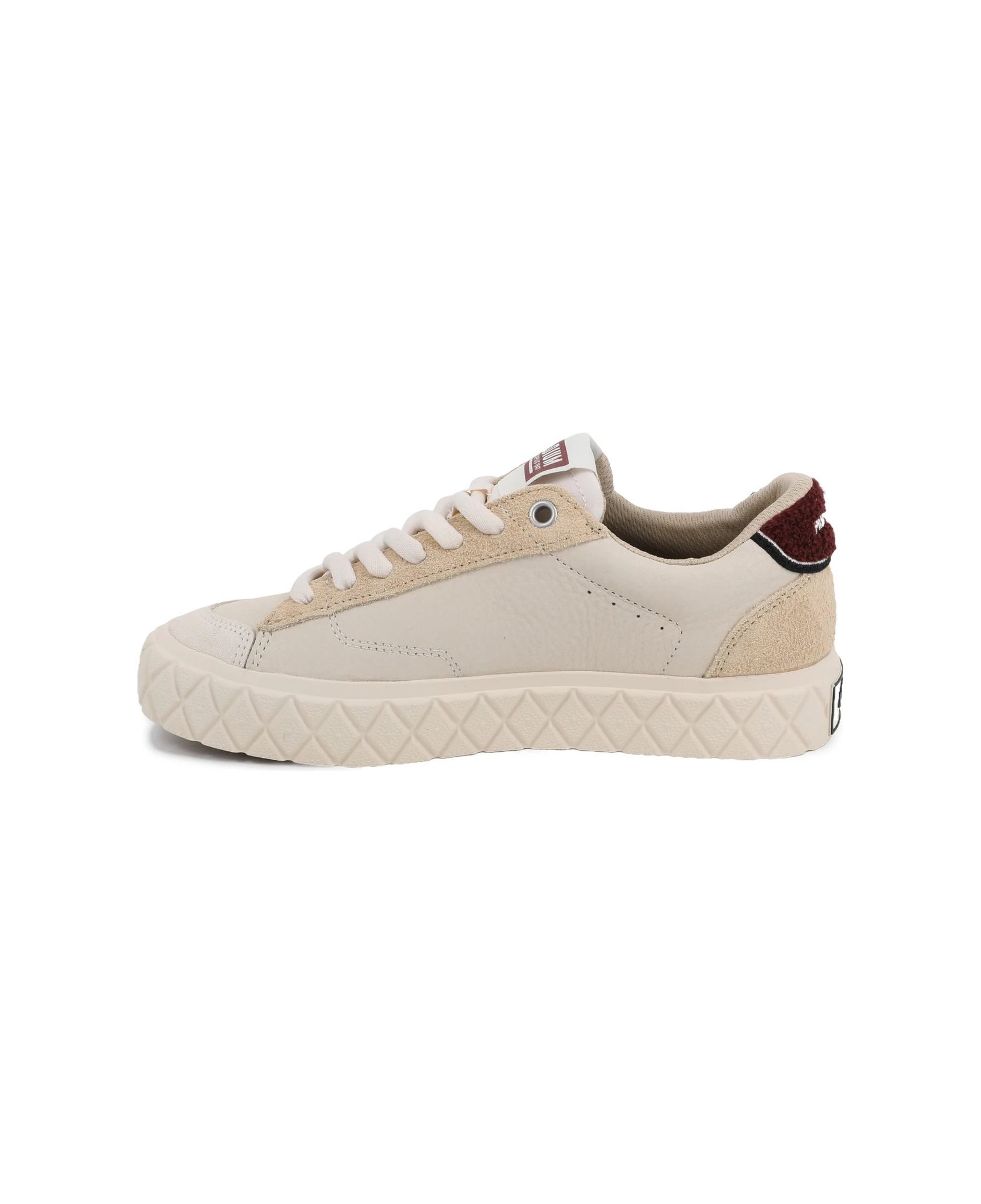
Where the classic Pampa Hi leans on canvas, the Pampa Hi Zip WL series swaps in a nubuk upper. Nubuk is a sanded leather with a brushed, suede-like surface, and it appears across the Dusky Green, Dear Brown, and Cloudburst/Charcoal Gray colorways of this model. Palladiumboots pairs that nubuk upper with a warming wool lining inside the Pampa Hi Zip WL, built specifically as a cozy option for colder months.
The nubuk itself adds a denser, more substantial feel compared to canvas, and it is finished with a rubber toe cap on this line for extra coverage at the point of the shoe that sees the most contact. The zip closure on this series also sets it apart structurally from the pull-on Pampa Hi, giving a different entry method alongside the material change. This is one of the clearer canvas vs nubuk boots contrasts in the current lineup, since the two uppers sit on a recognizably similar boot shape.
Rubber Outsoles and Grip Durability Across Models
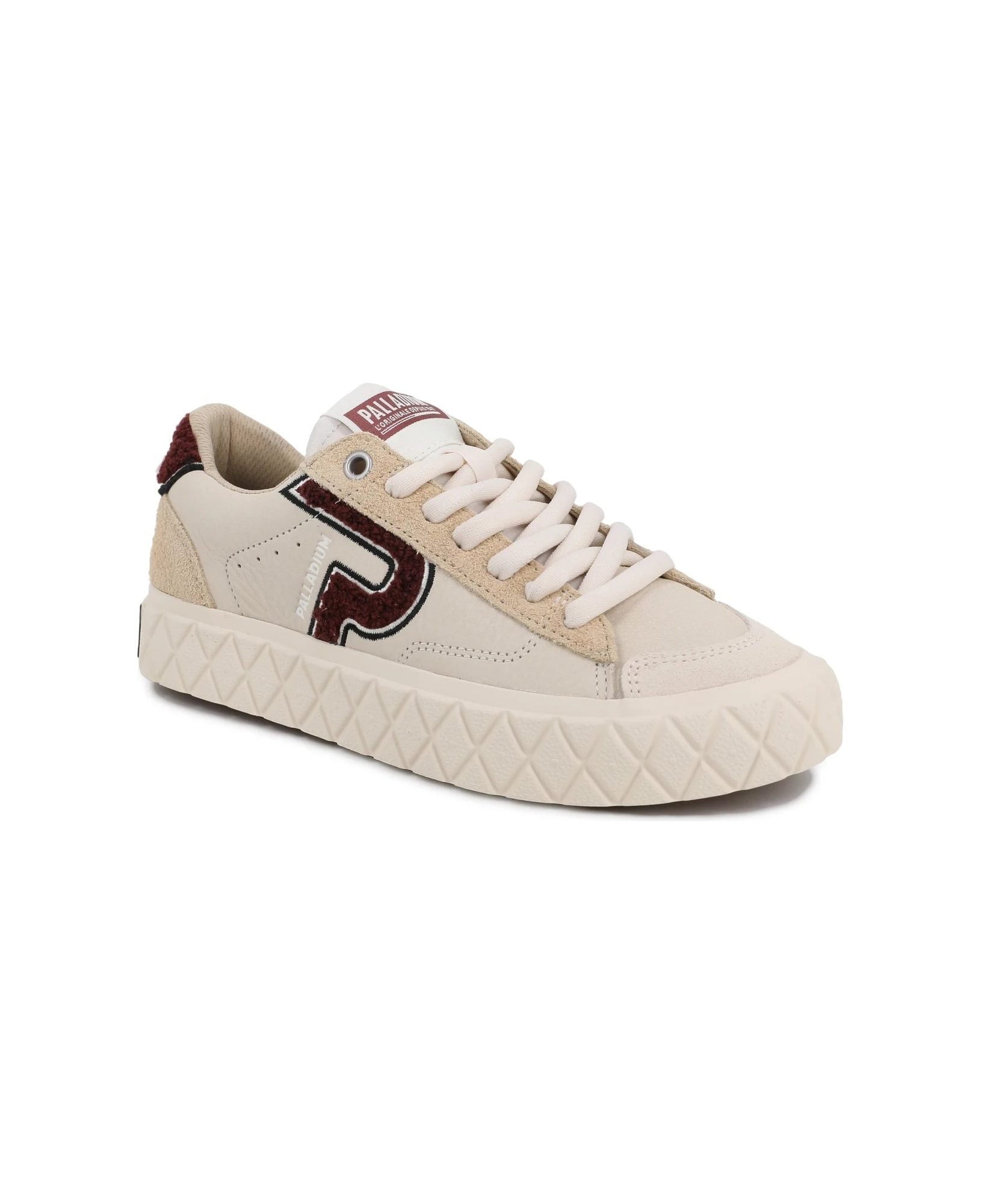
Regardless of whether the upper is canvas or nubuk, Palladiumboots builds its boots on rubber outsoles described as durable enough for any weather. The Pampa Hi Zip WL relies on this rubber base alongside its rubber toe cap to handle wet or uneven ground through winter conditions. That shared foundation means the outsole is less of a differentiator between materials than the upper is.
Styles like the PALLASHOCK ZIP WARM and PALLASHOCK LO HIVER extend this same rubber-soled approach into a lower, sneaker-influenced shape. Even as the upper materials and silhouettes shift across the range, the sole unit remains the consistent structural element underneath.
EVA Footbeds and Comfort Technology in the Range
Comfort inside a Palladiumboots shoe tends to come from the footbed rather than the upper material itself. EVA, a lightweight cushioning foam, is commonly used across footwear ranges like this one to soften each step regardless of whether the upper is canvas, nubuk, or leather. That separation matters for anyone comparing canvas vs nubuk boots, because the underfoot feel does not necessarily follow the upper choice.
Models such as the Ace Lo Mix Lth take a different route entirely, combining a leather sneaker base with suede accents and metallic overlays for a dressier finish. It is a reminder that the brand’s comfort-focused construction sits underneath a wide variety of surface treatments, not just the boot uppers discussed above.
Foldable Cuff Design: The Baggy Shoe’s Unique Construction
Among the more distinctive shapes in the wider shoe category sits the foldable-cuff style, a construction where the upper’s top edge can be rolled or folded down rather than staying fixed. This kind of design changes the silhouette’s profile depending on how the cuff is worn, giving a single shoe two visual states. It is a different approach to versatility than swapping materials, since the shape itself adjusts rather than the fabric.
This foldable-cuff idea sits alongside the zip-entry and pull-on constructions already covered, rounding out the range of ways Palladiumboots varies how a boot or shoe is put on and taken off. Construction details like these matter just as much as upper material when comparing how different models actually handle daily wear.
Material Care and Longevity: Canvas Versus Nubuk in Practice
Canvas and nubuk respond to everyday conditions in noticeably different ways, and that is worth weighing before settling on either upper for a given season. The list below outlines some of the practical distinctions buyers tend to notice.
- Canvas absorbs moisture more readily than nubuk, so it can take longer to dry out after a wet day.
- Nubuk’s brushed surface shows water spotting differently than canvas, often needing a brush rather than a wipe to restore its look.
- Canvas softens and creases with wear fairly quickly, while nubuk tends to hold its structured shape for longer before it relaxes.
- Seasonal use plays a role too, since the wool-lined nubuk construction of the Pampa Hi Zip WL is built with colder months in mind, while the lighter canvas Pampa Hi suits milder conditions.
- Break-in periods differ as well, with canvas uppers generally flexing sooner than a denser nubuk upper.
None of this makes one material better than the other in absolute terms. It simply means a canvas vs nubuk boots decision should factor in climate and how quickly a worn-in look is wanted. Palladiumboots offers both routes within recognizably similar silhouettes, which is precisely what allows this kind of side-by-side comparison in the first place.
Seen together, canvas and nubuk represent two distinct answers to the same question of how a boot should feel over time. The choice between them ultimately comes down to climate, pace of wear, and personal preference for how a shoe ages.