Drugstore beauty brands occupy a specific spot in the cosmetics market, offering recognisable formulas and wide shade ranges without the packaging and marketing costs attached to prestige counters. Names like Maybelline, L’Oreal, Rimmel London, and Max Factor built reputations on consistent, mass-market formulas that sit on supermarket shelves as easily as in specialist shops. Beautynstyle stocks a large selection of these high-street names alongside Revlon, Bourjois, NYX, and Revolution, covering face, eyes, lips, nails, and skin care in one place.
What Drugstore Beauty Brands Are and Why They Matter
The term describes cosmetics companies that distribute through pharmacies, supermarkets, and general retailers rather than department store counters. Brands rely on scale, producing large volumes of foundation, mascara, and lipstick that reach a broad customer base. That scale lets them keep formulas consistent across huge batches while still updating colour ranges and finishes regularly. Beautynstyle positions itself within this segment, describing its catalogue as branded beauty products rather than unbranded alternatives.
Major Drugstore Brands Stocked at Beautynstyle: Maybelline, L’Oreal, Rimmel London, and Max Factor
Each of these names has carved out a distinct identity within the mainstream cosmetics aisle. Maybelline is closely associated with mascara innovation, including the Lash Sensational Sky High formula built around bamboo extract and fibres for fuller, longer lashes. Rimmel London and Max Factor round out the group with long-standing eye and lip ranges, including kohl eyeliners and moisturising lipsticks. Beautynstyle lists all of them in a single catalogue alongside Revlon, Bourjois, and newer entrants like Revolution and NYX.
Foundation and Face Makeup in the Drugstore Segment
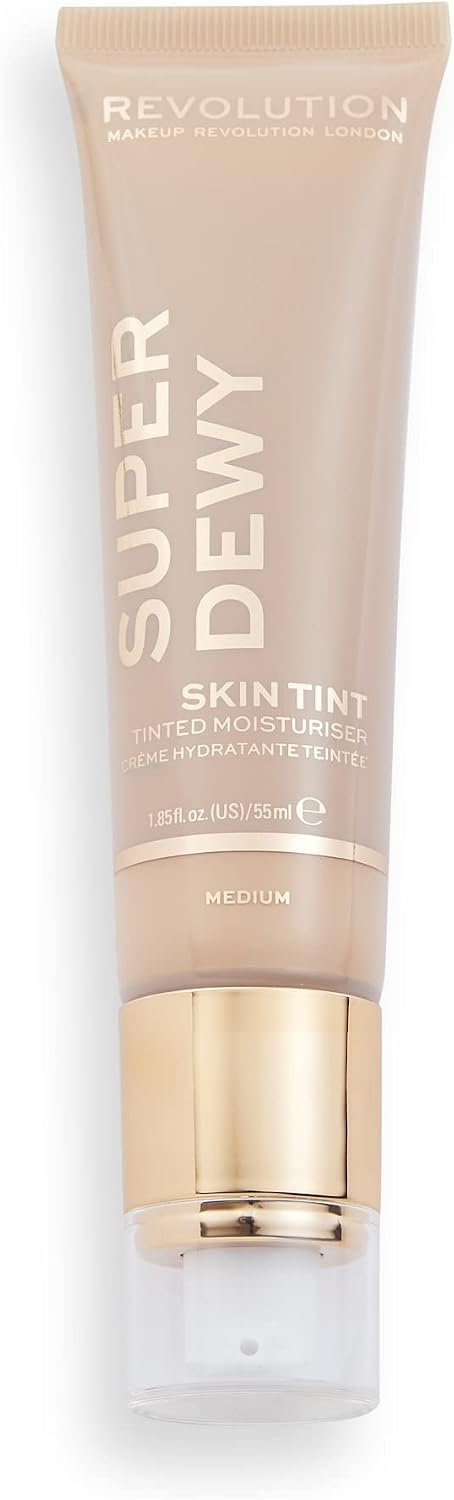
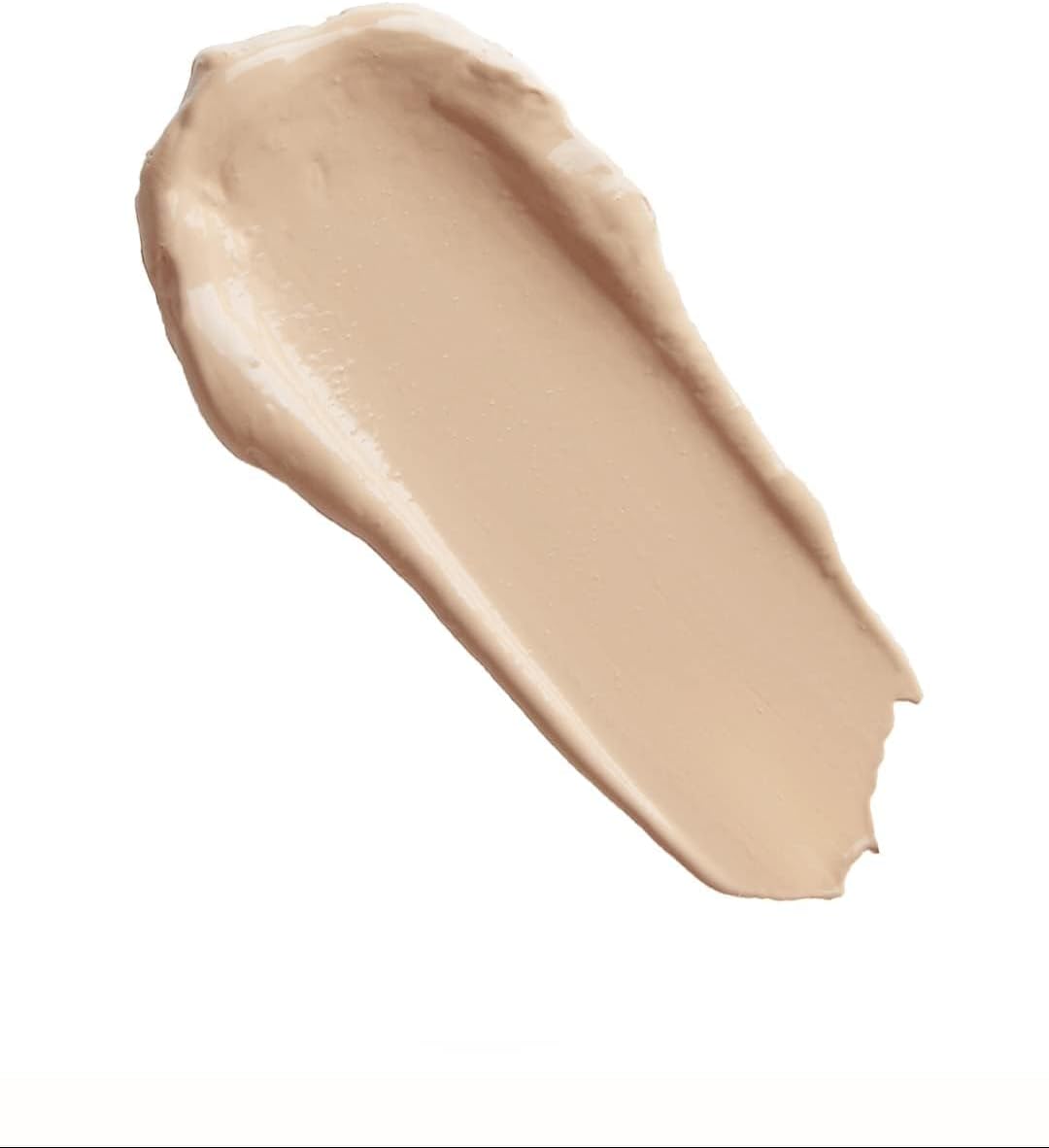
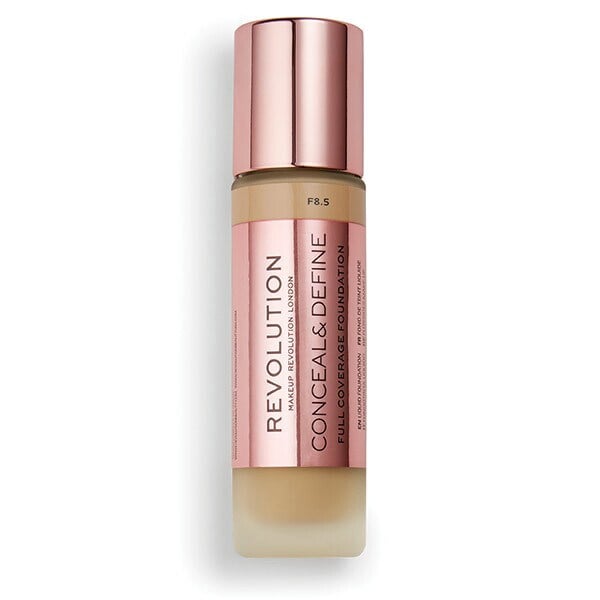
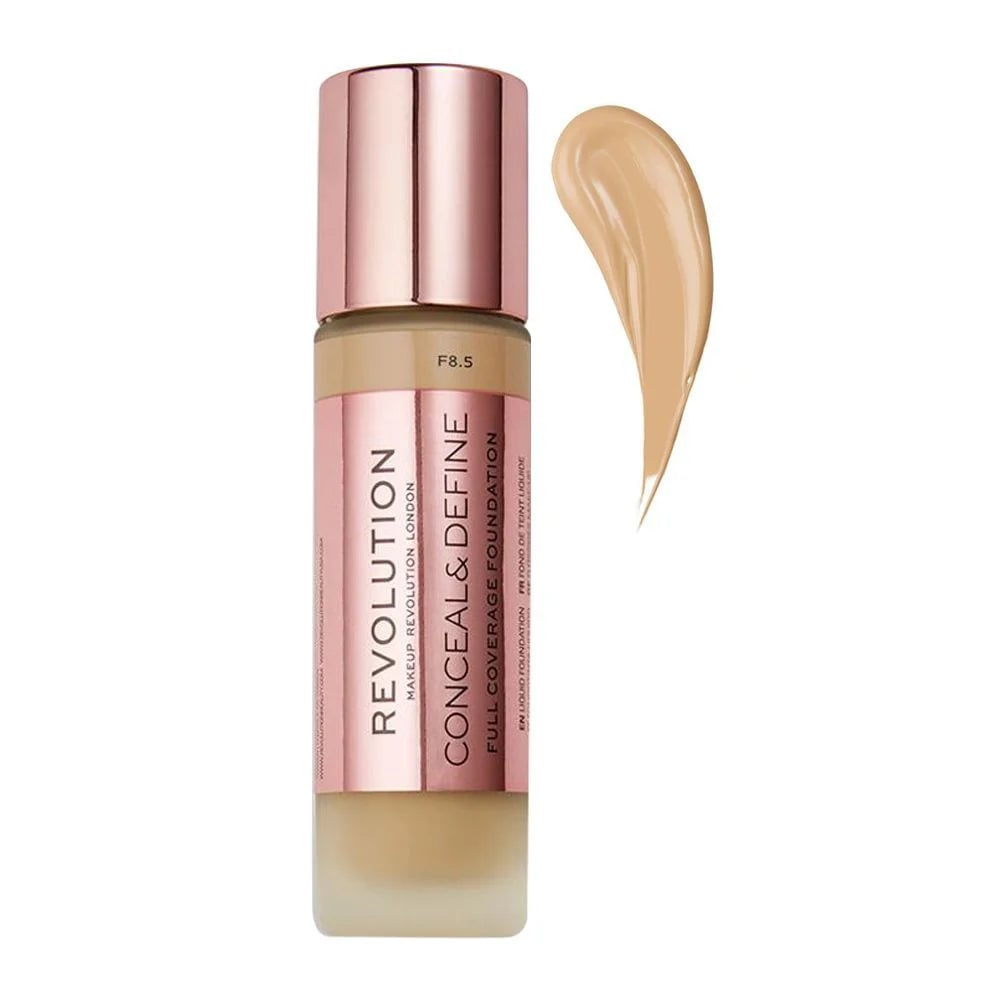
Face products are often where drugstore beauty brands compete hardest, since foundation shade range and finish quality are highly visible to customers. Revolution’s Conceal and Define Full Coverage Foundation, listed in several shade numbers, offers buildable coverage from an oil-free, creamy formula that dries to a demi-matte finish. Max Factor’s Facefinity Compact Foundation extends the category into powder formats for those who prefer a compact over a liquid. On the same shelf, Beautynstyle also carries Revolution’s Super Dewy Skin Tinted Moisturiser, which blends skincare with light coverage and wild berry extract infused with 68% water for a dewy finish.
Mascara and Eye Makeup Across Drugstore Lines
Eye makeup remains one of the most competitive categories among mainstream cosmetics brands, and the Beautynstyle catalogue reflects that. Max Factor’s Masterpiece Max mascara promises extreme volume and curl using a plastic brush designed to separate lashes. Rimmel London’s Kind and Free Clean Mascara markets itself as the brand’s first clean beauty formula, built for long wear with volume and length. Maybelline’s Brow Precise Sharpenable Filling Pencil extends the eye category beyond mascara into brow shaping, using a natural wax formula for fine, hair-like strokes, while Rimmel’s Soft Kohl Kajal Eyeliner, offered in shades such as Pure White, claims up to 12 hours of wear with a high-pigment finish.
Lip Colour and Lip Care in Mainstream Beauty
Lip products across these brands tend to combine colour payoff with conditioning claims rather than pure pigment alone. Max Factor’s Color Elixir Lipstick, in shades like Dusky Rose, is formulated with a blend of 60 percent emollients, conditioners, and antioxidants including vitamin E, and claims smoother-looking lips within 7 days. L’Oreal’s Colour Riche line, carried in shades such as Nude Gold, pairs rich, pure pigment payoff with a creamy, hydrating formula and a satin finish, a combination described as spanning classic reds to trendy nudes. That mix of shade depth and lip care positioning recurs across drugstore beauty brands rather than belonging to a single company alone.
- Formulation in this segment tends to prioritise buildable, wearable finishes over highly specialised or niche textures.
- Brand heritage plays a visible role, with companies like L’Oreal and Max Factor drawing on decades of recognisable product lines such as Colour Riche and Color Elixir.
- Colour range availability is often wide, spanning multiple foundation shade numbers and lipstick tones within a single named collection.
- What separates these brands from budget-only cosmetics is the combination of consistent quality claims, such as long-wear or high-pigment formulas, alongside recognisable brand names.
How Drugstore Brands Compare to Prestige and Premium Alternatives
Prestige cosmetics often lean on luxury packaging, counter experiences, and smaller production runs, while mainstream brands lean on distribution scale and frequent new releases. That does not mean drugstore beauty brands skip quality claims. Rimmel’s nail polish, for example, markets a 60-second quick-dry formula with chip and fade resistance lasting up to 10 days, a claim aimed squarely at the kind of everyday durability prestige brands also compete on. Beautynstyle frames its entire catalogue around this positioning, grouping branded products under familiar names found at department store counters too.
As mainstream formulas keep borrowing techniques once reserved for pricier lines, the gap between accessible and prestige cosmetics keeps narrowing in practical terms.