Wearable technology has moved well beyond step counting, and metabolic monitoring is now a serious consideration for anyone building a budget-conscious health routine. Affordable metabolic health tracking is less about the lowest sticker price and more about what a device delivers across years of actual use, including how well it holds its measurement quality over that span. Hume positions its Band 2.0 as a long-term health monitoring platform rather than a short-lived gadget, which changes how value should be calculated.
What Hume Band 2.0 Measures: Core Metabolic Tracking Capabilities
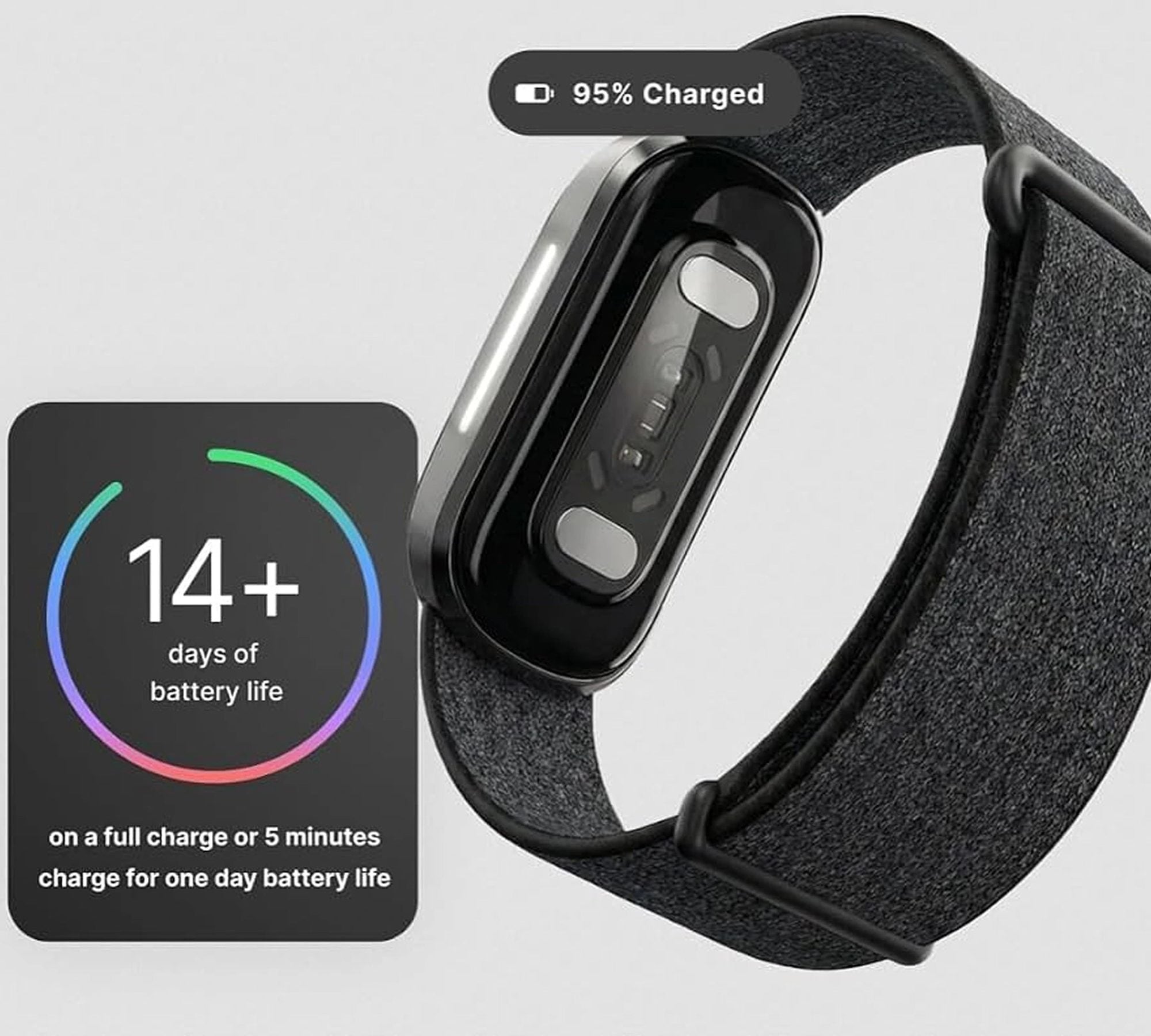
Hume built the Band 2.0 around continuous data collection, paired with an app meant to translate sensor readings into everyday insight. The device relies on advanced sensors housed inside the band itself, which the brand describes as the components that power its health insights. Because the sensors sit directly on the body, the band is designed to gather data continuously rather than only at scheduled check-ins.
This continuous approach is part of what defines affordable metabolic health tracking as a category. Instead of relying on periodic lab visits, a wearable gathers ongoing signals that can be reviewed through a connected app. That shift toward in-home data collection is central to how Hume frames the Band 2.0 within its product lineup.
How the 10-Year Warranty Protects Metabolic Health Monitoring Devices
One of the more distinctive features tied to the Band 2.0 is the 10-Year Warranty, an add-on available at checkout. According to the brand’s own description, the warranty covers the device for a decade of tracking, which the company frames as protection for the entire span of ownership. That coverage extends to every component of the device, not just the outer shell.
Hardware and sensing technology are both included under this warranty. If something goes wrong with either the physical casing or the sensors reading metabolic data, the warranty is positioned to cover it. For a device meant to be worn daily over years, this kind of full-component protection is a meaningful part of the overall value proposition for affordable metabolic health tracking.
Hume Band 2.0 CloudFit Strap Accessories: Extending Device Lifespan Without Major Replacement
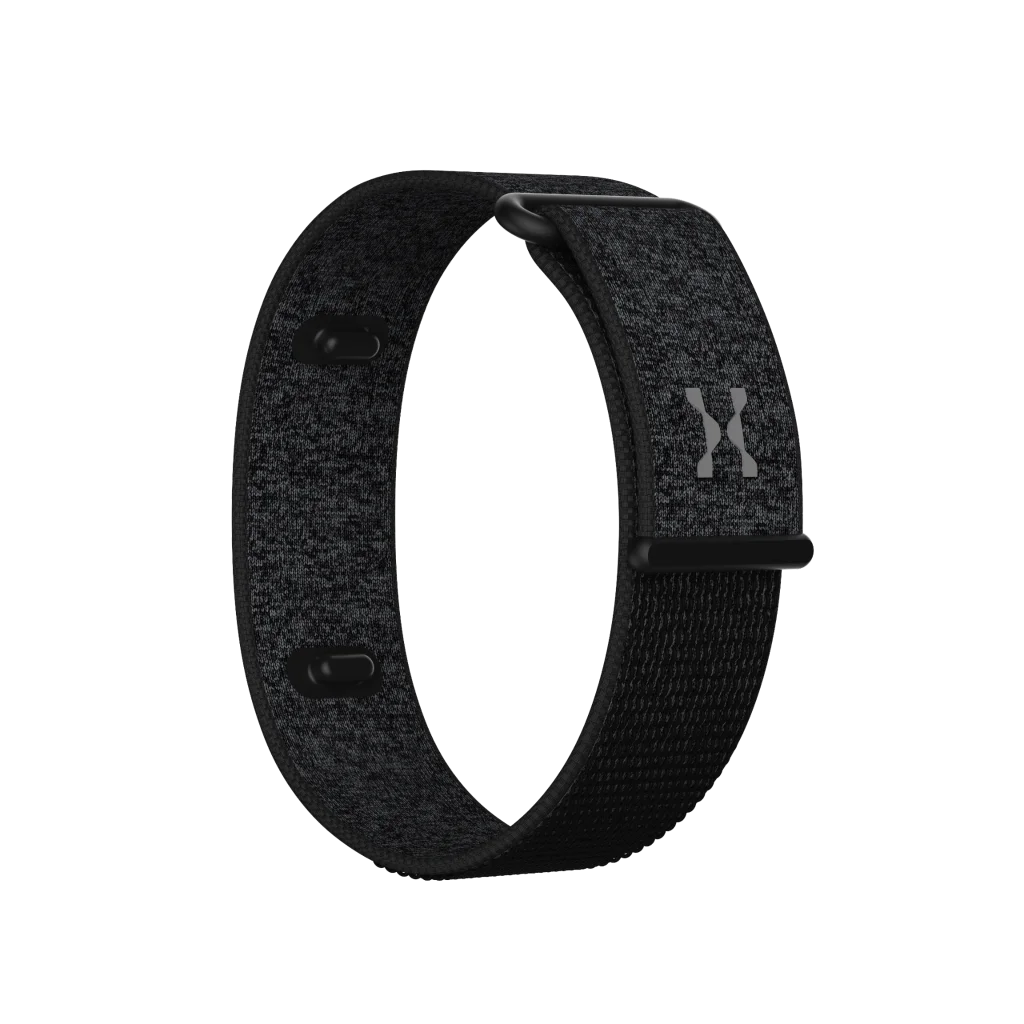
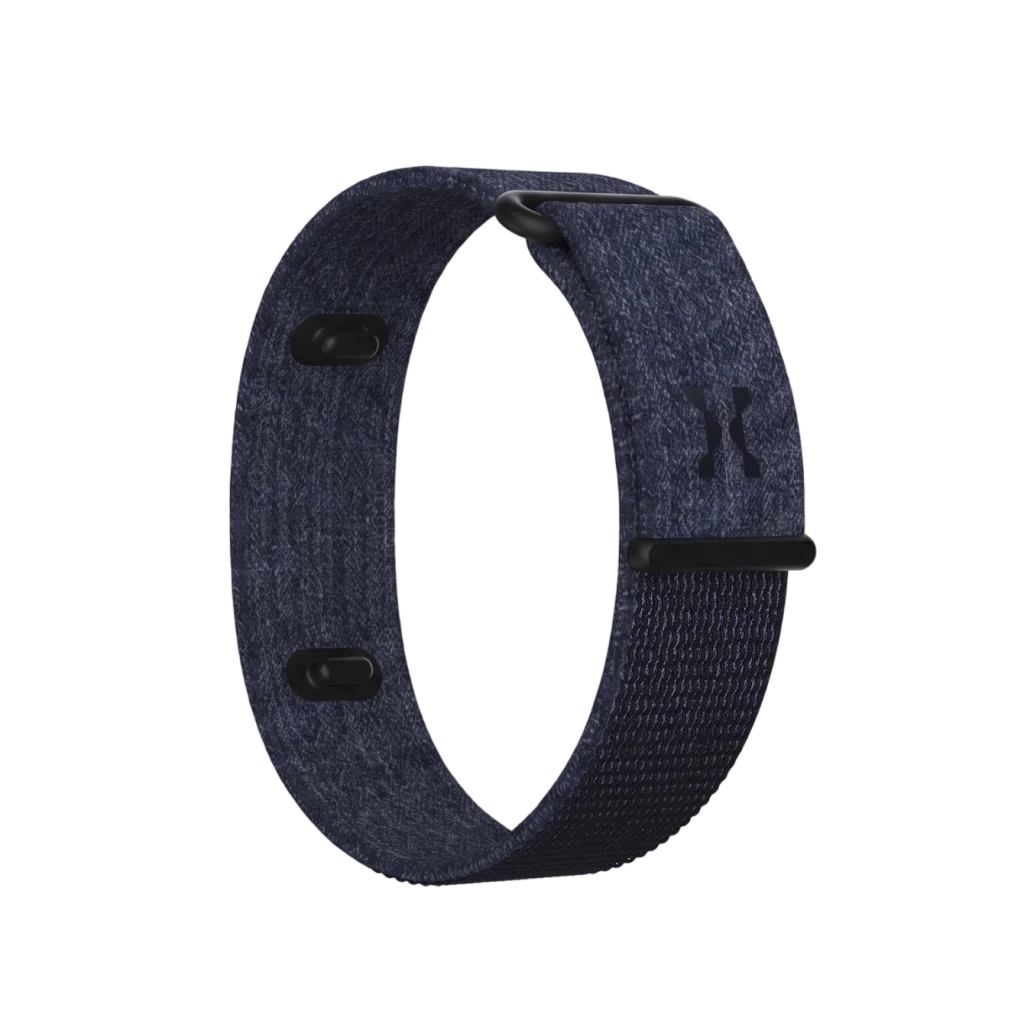
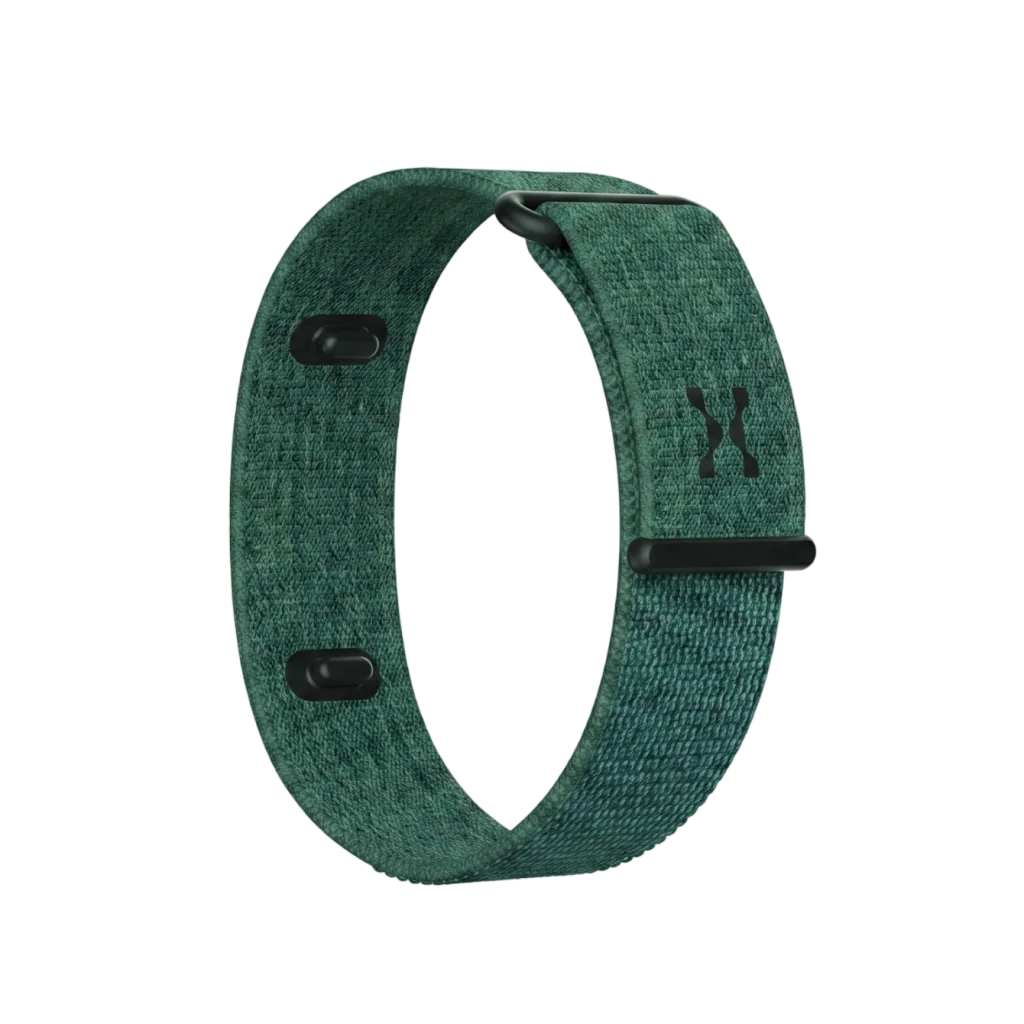
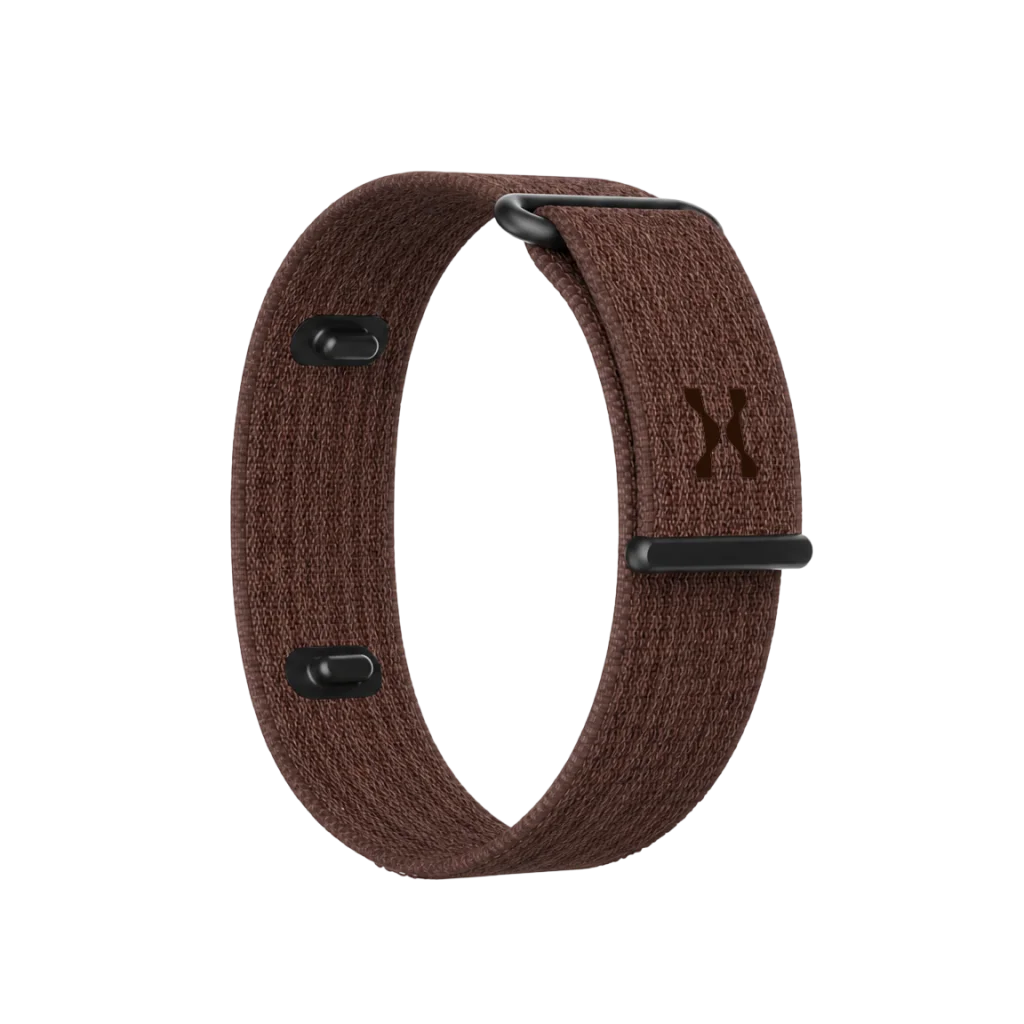
Beyond the warranty, Hume also sells the Band 2.0 CloudFit Strap as a standalone accessory. Described as an upgraded band strap, it is made from a soft, breathable woven fabric and closes with a hook-and-loop fastener. The strap is built specifically for the Band 2.0, with precision cutouts designed to keep sensors unobstructed during use.
Because the strap is sold separately from the core device, a worn or aged band component can be replaced without needing to purchase an entirely new unit. The listing describes the CloudFit Strap as suited for training, deep work, travel, and sleep, suggesting a strap intended for continuous wear across different contexts. This separation between strap and sensor hardware is part of what keeps a decade of use realistic without needing to replace the whole system outright.
Understanding Sensor Accuracy and On-Request Recalibration Coverage
Accuracy maintenance is another piece of the warranty structure. Hume states that on-request servicing is included as part of the 10-Year Warranty, allowing recalibration to be requested if accuracy drift is noticed. The company describes this as a way to keep measurement quality consistent across the full warranty period, and it also points to accuracy reporting as part of how that quality gets documented over time.
This detail matters for anyone relying on a wearable for ongoing metabolic monitoring. A sensor that drifts out of calibration without any path to correction loses practical usefulness over time. By including recalibration as a standard part of the warranty rather than a separate paid service, the brand ties sensor reliability directly to the broader coverage plan.
Long-Term Value of Continuous Metabolic Data Tracking
A device that can be serviced, recalibrated, and fitted with replacement straps avoids the need for repeated full replacements, which is the practical shape that affordable metabolic tracking takes once the purchase itself is no longer the main factor. That structure is what the brand points to when describing the Band 2.0 as a decade-long tracking tool rather than a single-season purchase.
Continuous data collection also means the value of the device compounds the longer it stays in use. A metabolic tracker that only lasts a short period limits how much longitudinal data can actually be gathered. Pairing hardware coverage with accessory availability is one way a brand can support that longer data collection window.
Making the Case for Band 2.0 Over Replacing Devices Frequently
Frequent device replacement is a common pattern in the wearable category generally, often driven by battery wear, broken straps, or sensor inaccuracy. Against that backdrop, a warranty-backed device with replaceable strap accessories offers a different model. Hume structures the Band 2.0 around that alternative, combining hardware coverage with accessible parts rather than planned obsolescence.
- The 10-Year Warranty covers the device shell and all internal sensors for a full decade.
- On-request servicing allows recalibration if sensor accuracy drift is ever noticed.
- The Band 2.0 CloudFit Strap is sold separately, letting the strap be replaced without buying a new device.
- The CloudFit Strap is built with precision cutouts so sensors stay unobstructed during everyday wear.
- Continuous, in-home metabolic data collection removes dependence on periodic outside testing.
Taken together, these elements describe a wearable built around sustained use rather than short ownership cycles. Whether that structure appeals to a given household depends on how much value is placed on long-term coverage versus buying a new device outright. For metabolic monitoring specifically, the combination of warranty protection and accessory availability gives affordable metabolic health tracking a clearer long-term framework to evaluate.
Metabolic tracking tools keep evolving, but the underlying question stays the same: what happens to a device after the first year of use.